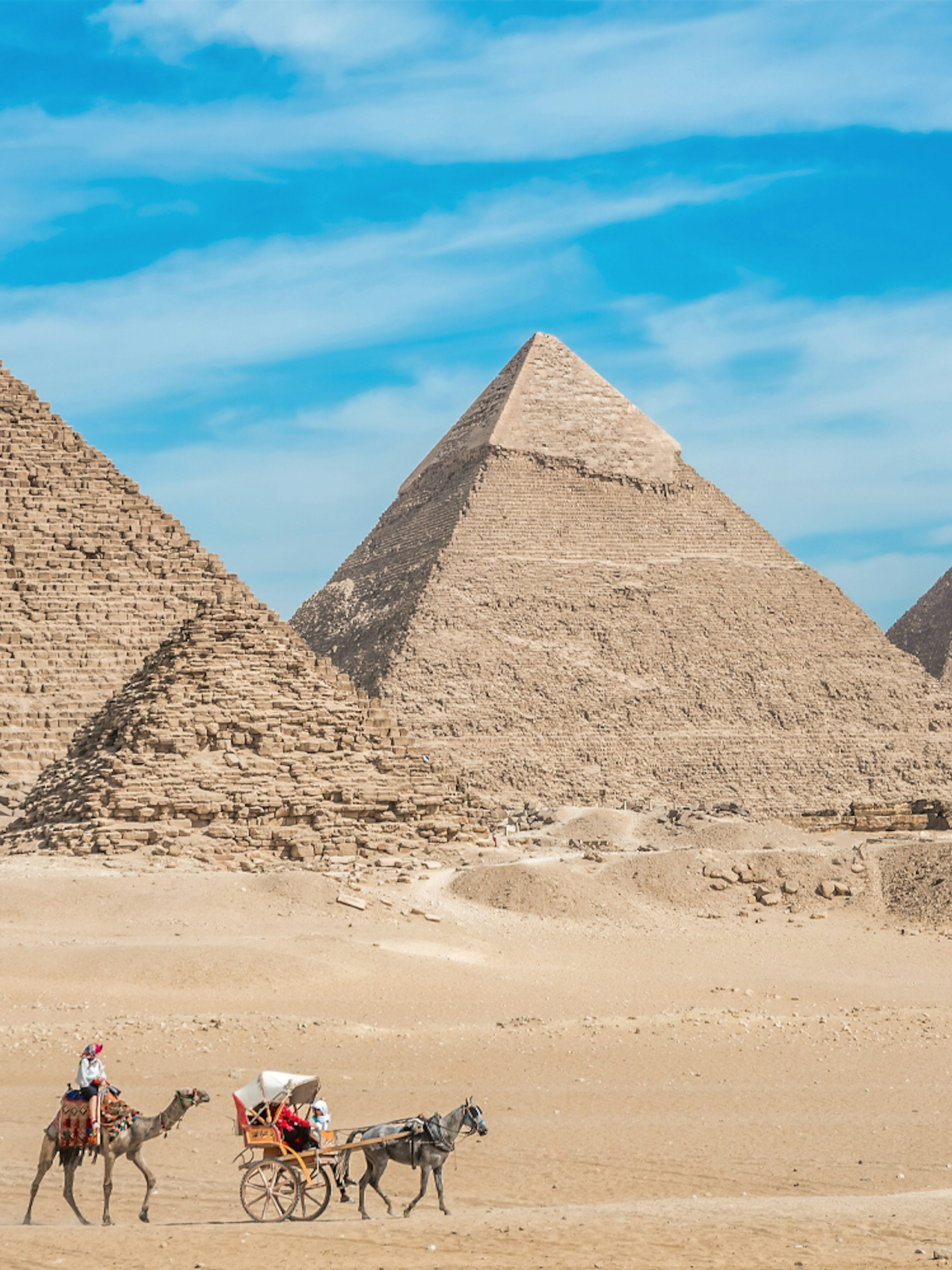
All visitors go through a security check at the main gate before entering the complex
Giza Necropolis | The Site of the Pyramids of Giza
What to expect at the Giza Complex

Security & entry
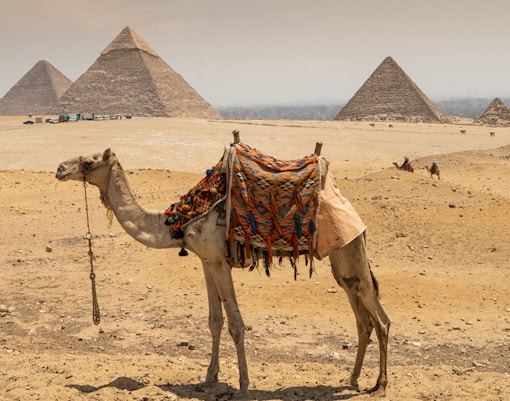
Spacious site
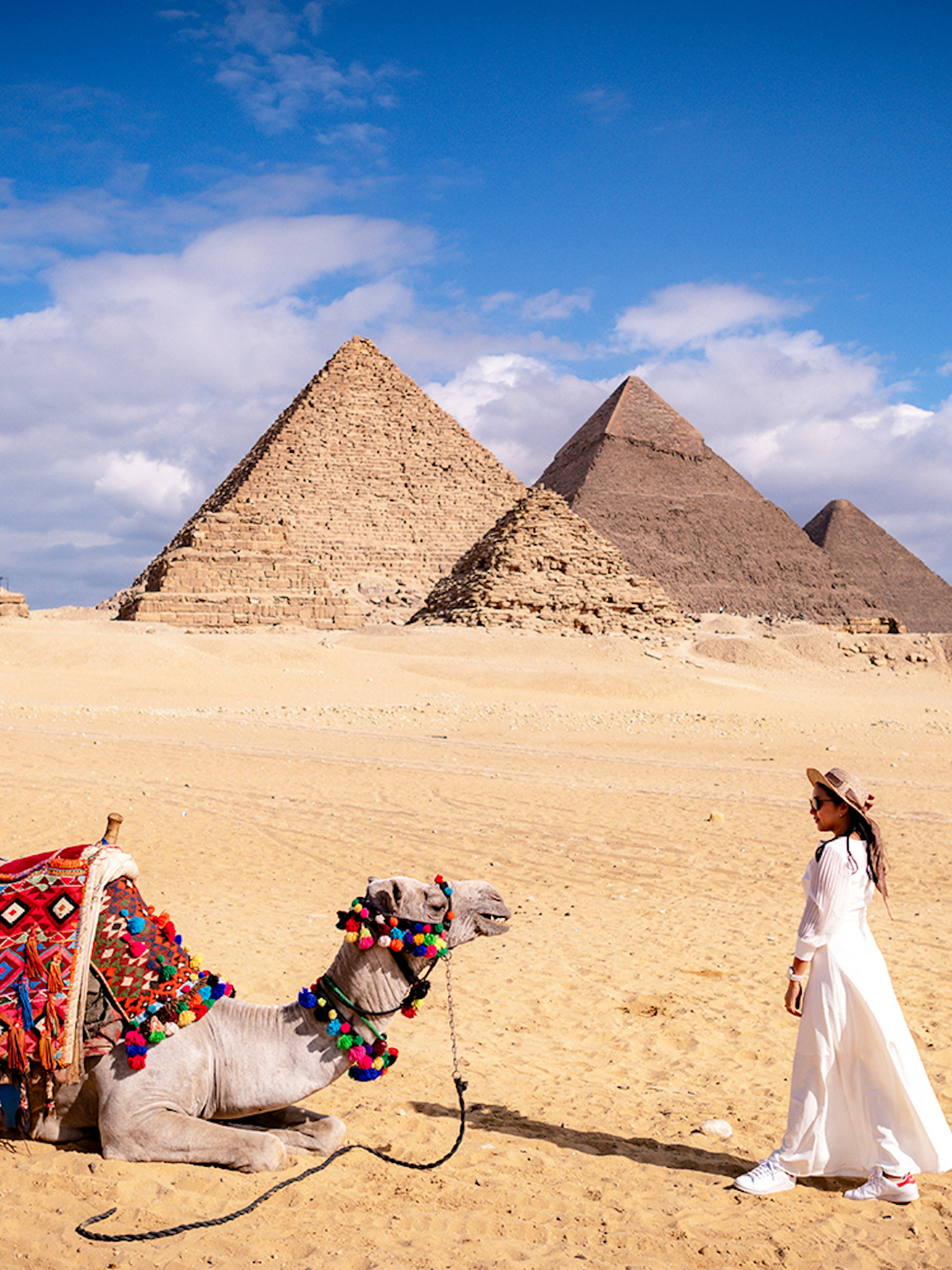
The pyramids, Sphinx, and temples cover a wide area; be prepared for walking, or hire a golf cart or camel.
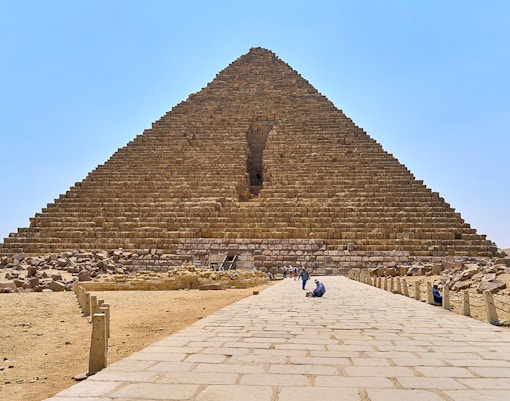
Pyramid entry access
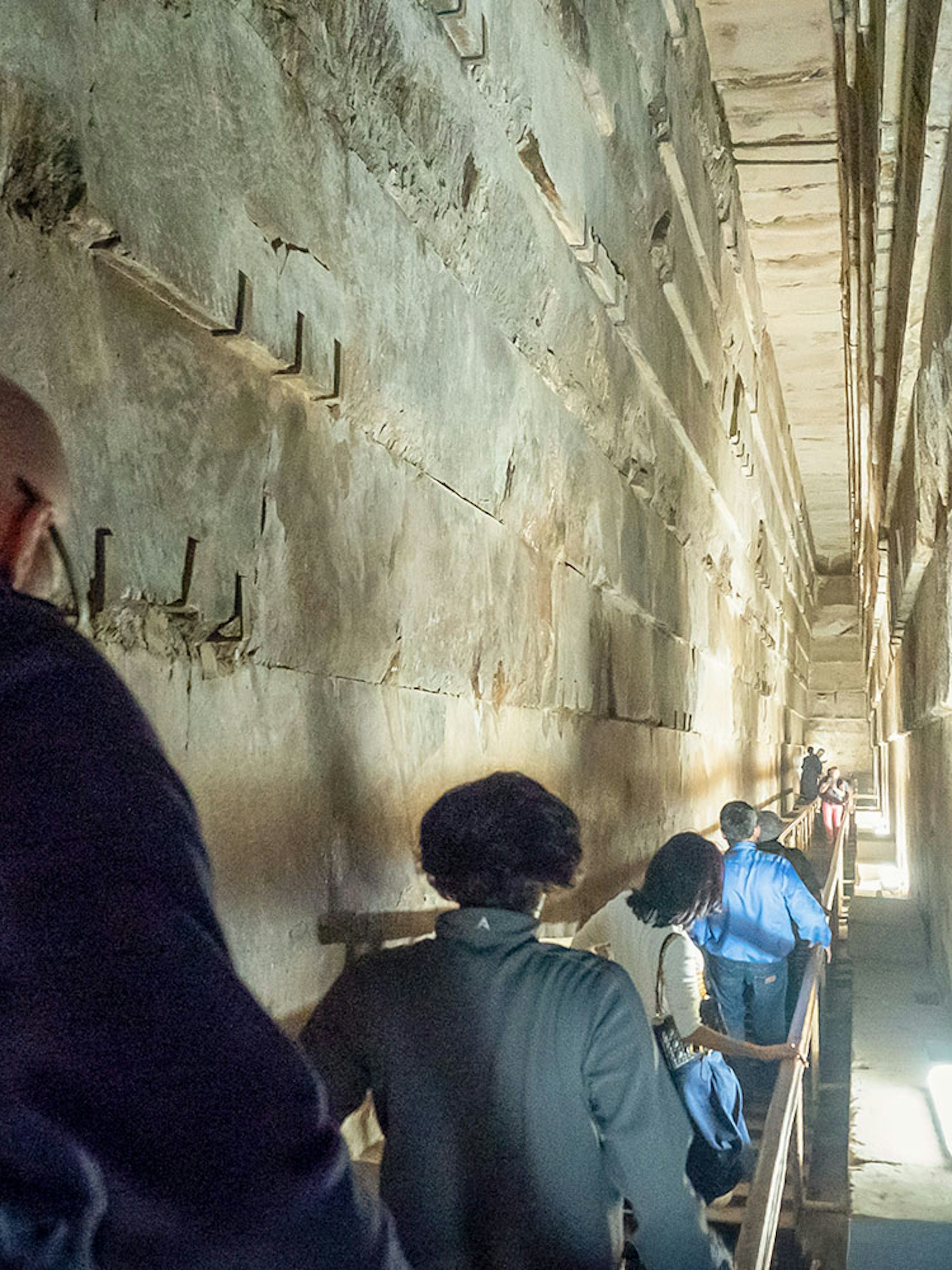
Separate tickets are required to enter the Great Pyramid, Khafre, or Menkaure. Keep in mind that the interior passages are narrow.
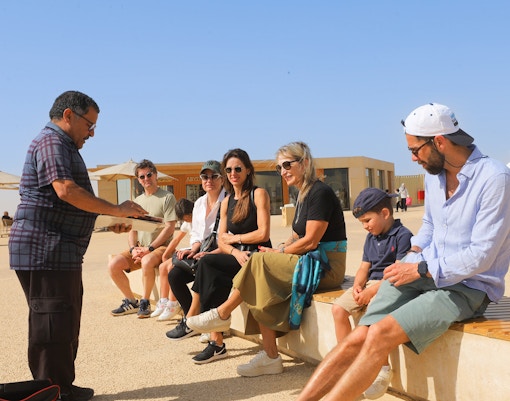
Guided tours
Licensed guides and audio guides are available in multiple languages. Booking ahead helps save time.
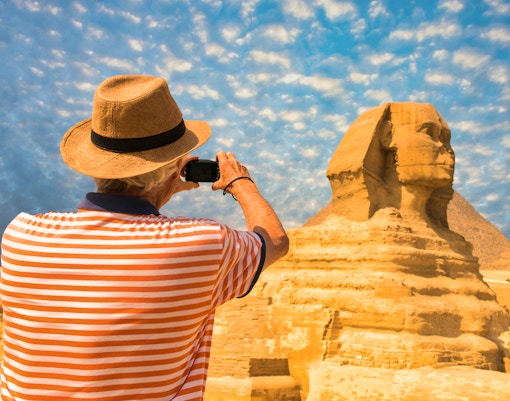
Photo opportunities
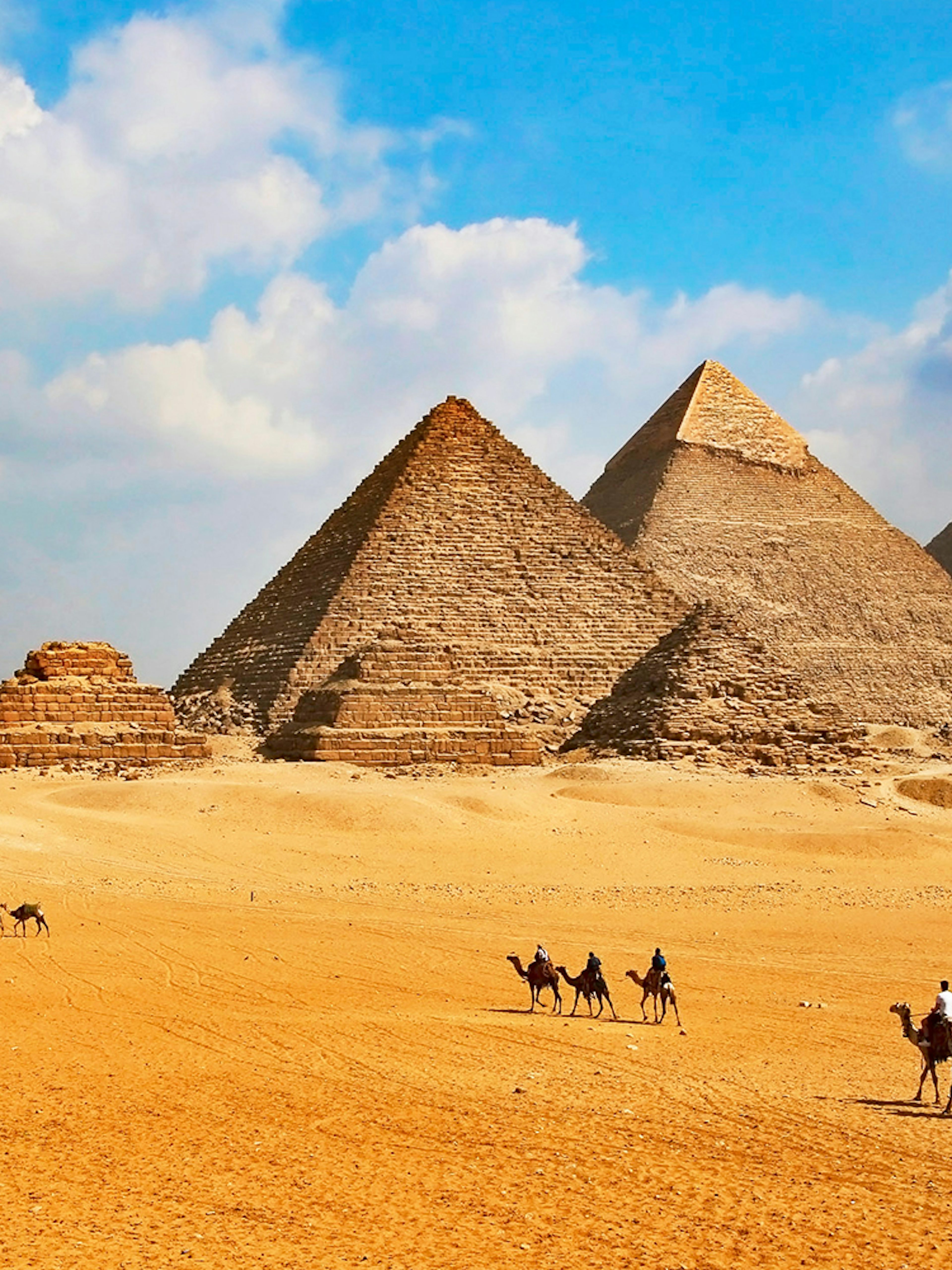
Numerous spots for panoramic shots of all three pyramids and close-up views of the Sphinx.
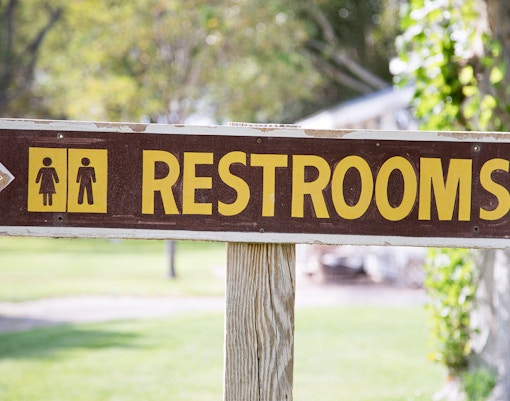
Facilities
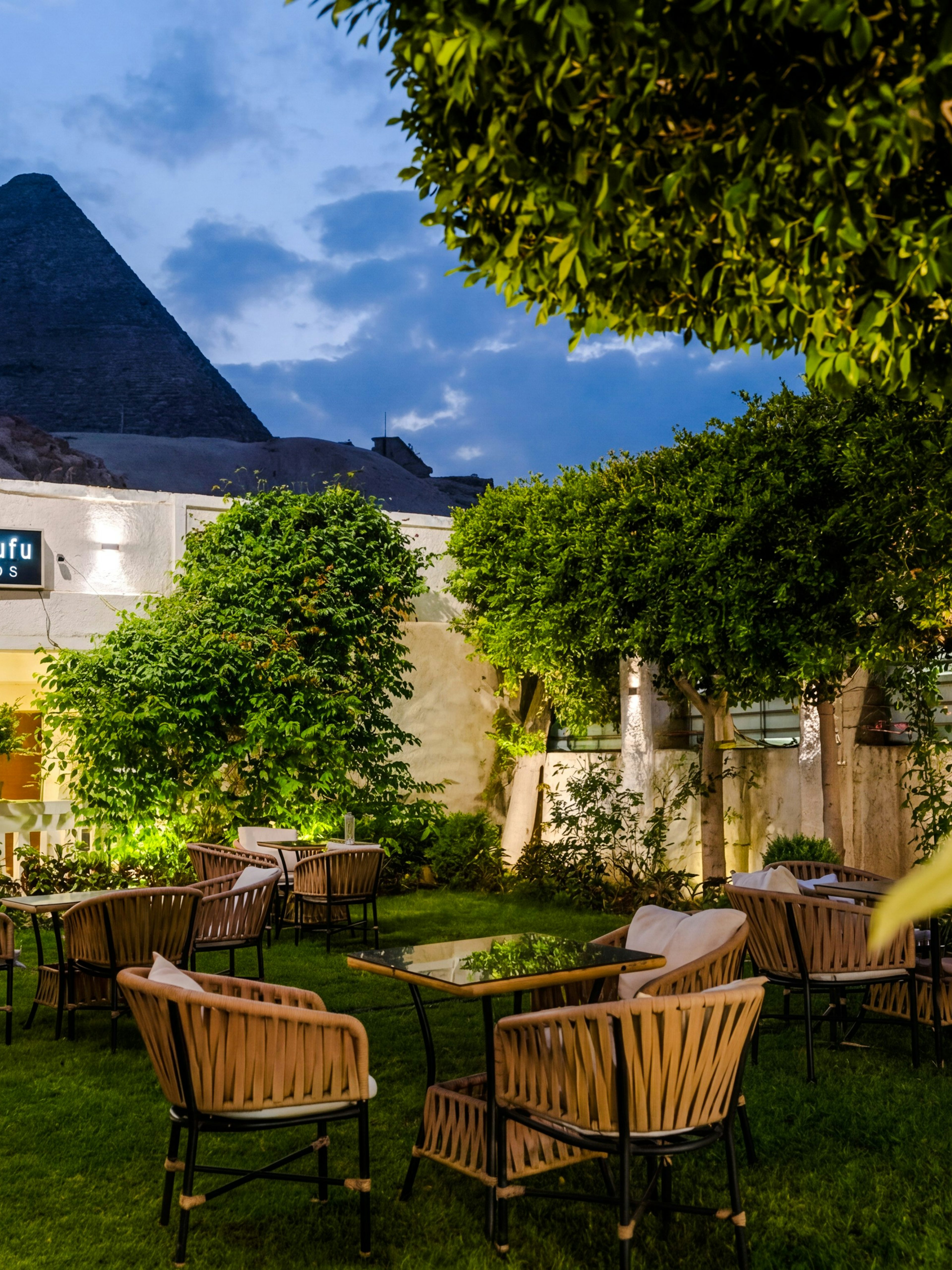
Cafés, souvenir kiosks, restrooms, and shaded areas are near the main gates.
Your guide to Giza Complex tickets & tours
Explore the Great Pyramids, the Sphinx, and ancient temples with one ticket to the Giza Complex. Add extras like interior pyramid entry, camel rides, quad biking, or the Sound & Light Show to customize your visit. Decide what suits your time, group size, and interests before booking.
Pick your perfect Giza Complex experience:
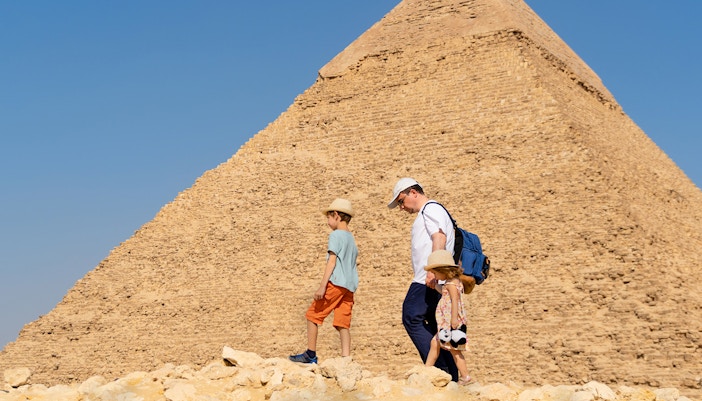
Giza Complex entry
- What it includes: Access to the Giza Plateau, Great Sphinx, and surrounding areas (does not include pyramid interiors).
- Tips: Arrive early for cooler temperatures and fewer crowds; ideal for photography and panoramic views.
- Best for: Casual explorers, families, and first-time visitors.
Recommended experience
Pyramids of Giza Skip-the-Line Tickets with Private Hotel Transfers
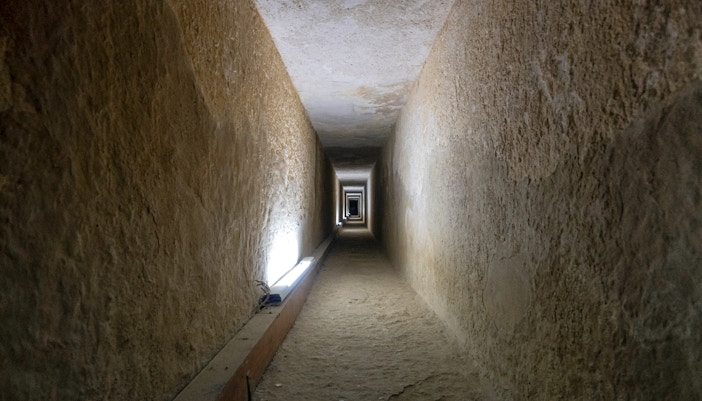
Pyramid entry
- What it includes: Separate tickets for the interior of the Great Pyramid
- Tips: The Great Pyramid offers iconic but narrow passages; Khafre and Menkaure are quieter. Book in advance during peak season.
- Best for: History enthusiasts, adventure seekers, and those wanting to experience the inside of a pyramid.
Recommended experience
Skip-the-Line Tickets to Giza Complex + Access to Khufu Pyramid
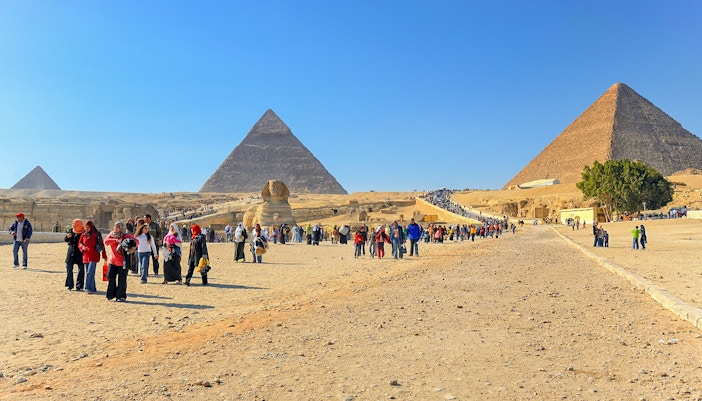
Guided tours
- What it includes: Licensed Egyptologist-led tours covering the pyramids, Sphinx, temples, and hidden corners of the complex. Often include skip-the-line entry and transport.
- Tips: Book online in advance to save time and choose between private or group options for a personalized experience.
- Best for: Visitors who want expert insights, convenience, and a richer understanding of the Giza Complex.
Recommended experience
Half Day Giza Pyramids & Sphinx Tour with Hotel Transfers & Multilingual Guide
- Book early to secure pyramid interior tickets and guided tours in your preferred time slot.
- Look for packages that bundle entry with tours or activities for better value.
- Visit in the morning between October and March for cooler weather and fewer crowds.
- Choose guided tours for time savings and expert insights, or self-guided visits for flexibility.
Quick facts about the Giza Complex
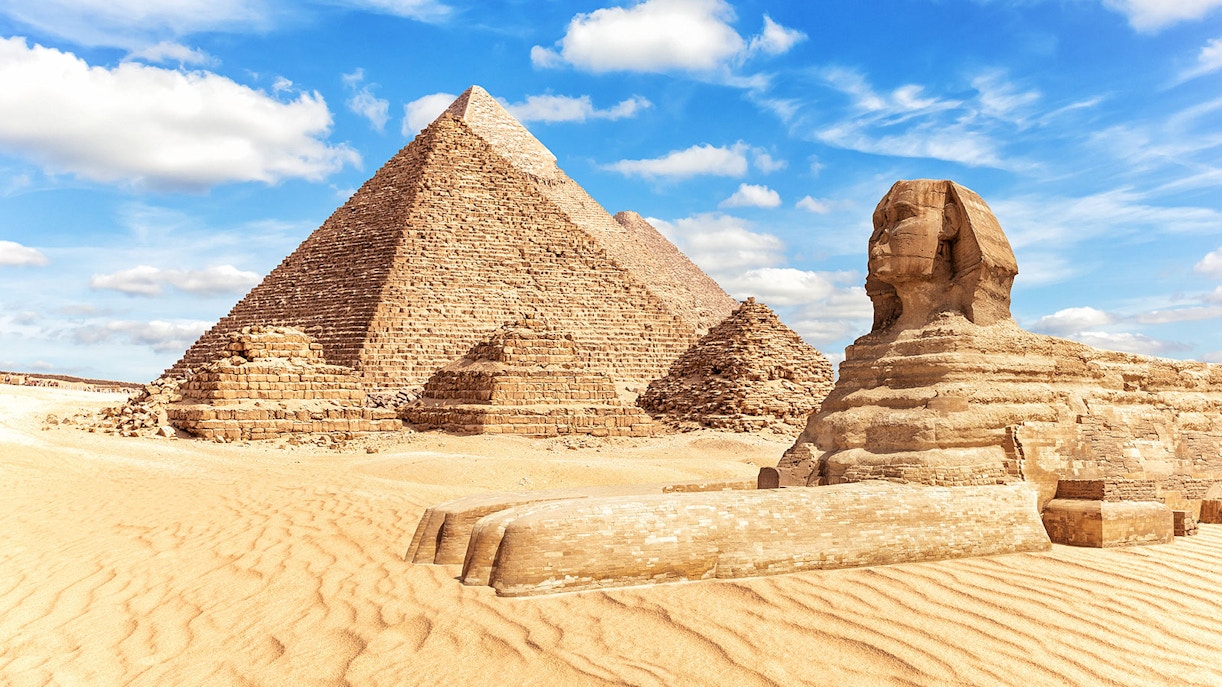
- Location: Giza Complex, ~25 km southwest of Cairo, Egypt
- Age: Built around 4,500 years ago (c. 2500 BCE)
- UNESCO status: UNESCO World Heritage Site since 1979
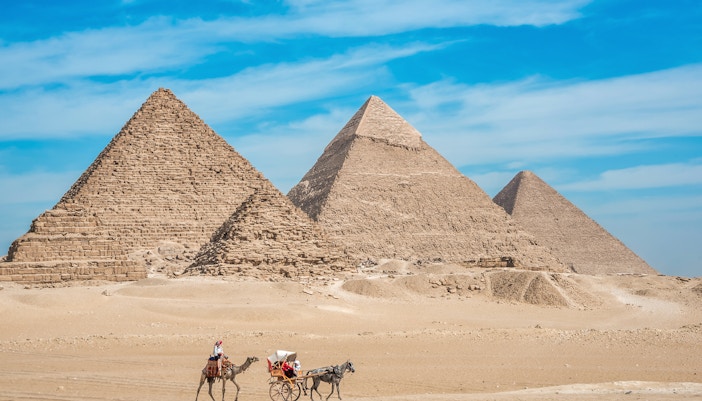
- Number of Pyramids: Three main pyramids – Khufu, Khafre, Menkaure
- Other structures: Great Sphinx, temples, Solar Barque Museum, tombs
- Visitor stats: Millions visit annually; busiest months are October to March
- Timings: Open daily from 8am to 5pm
- Languages: Guided tours available in multiple languages
Why visit the Giza Complex
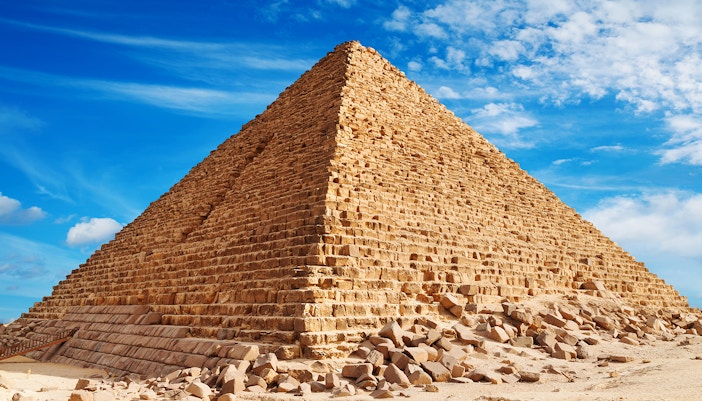
Iconic pyramids
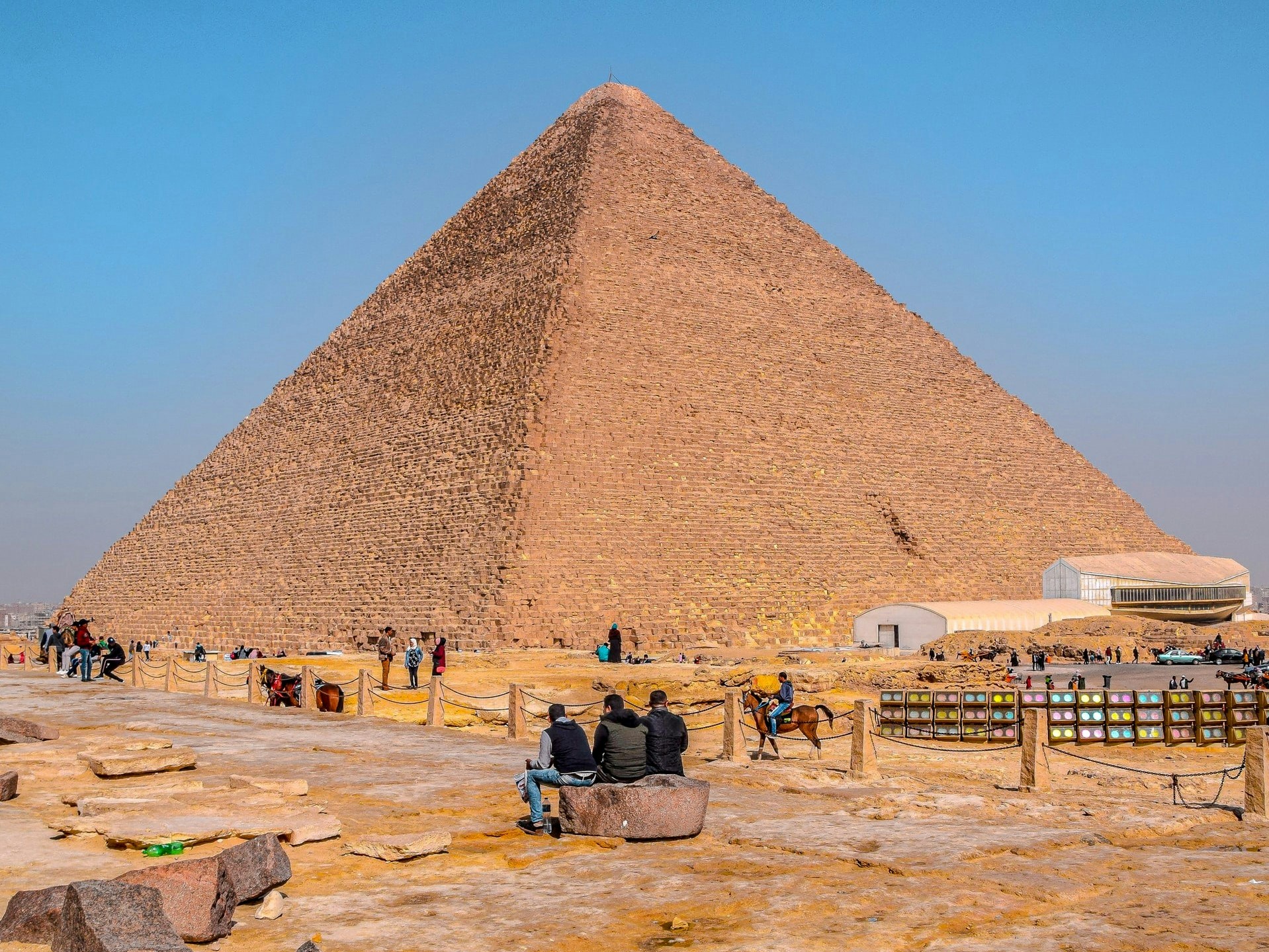
Marvel at the Great Pyramid of Khufu, one of the Seven Wonders of the Ancient World.
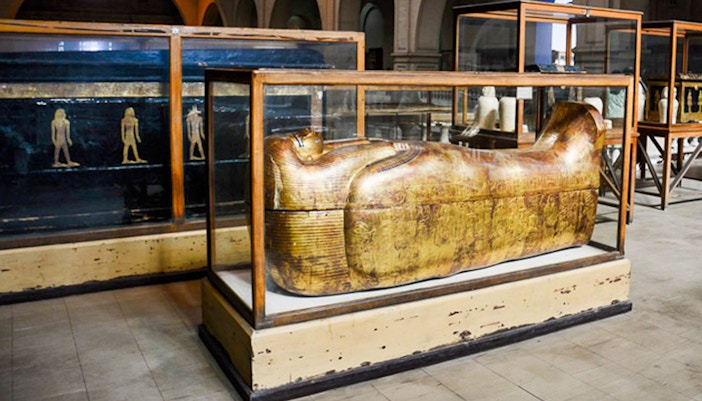
Historical importance
Learn about the burial grounds of Egypt’s pharaohs and uncover 4,500 years of history.
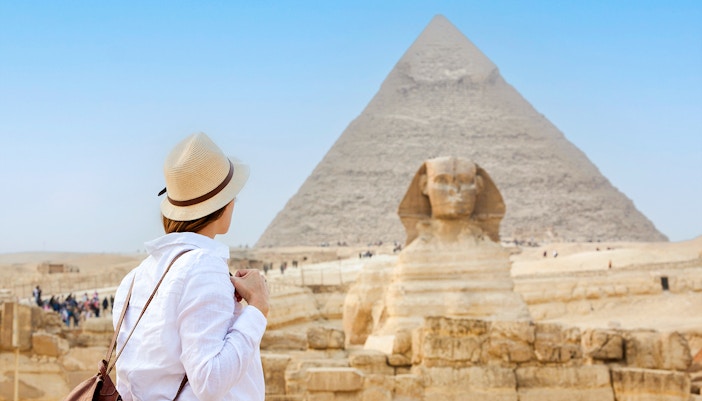
UNESCO World Heritage Site
Explore a site recognized globally for its cultural and architectural significance.
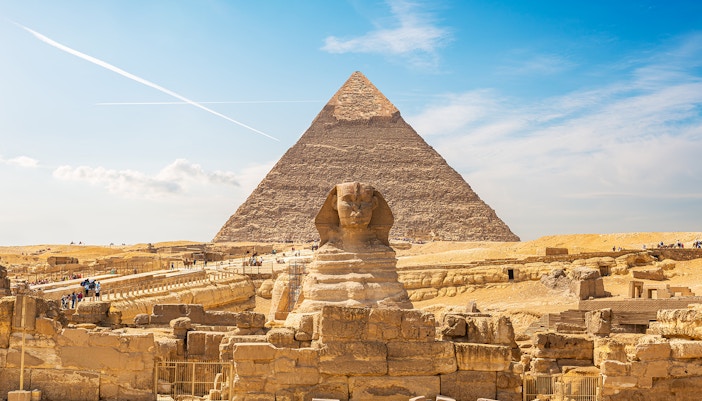
The Great Sphinx
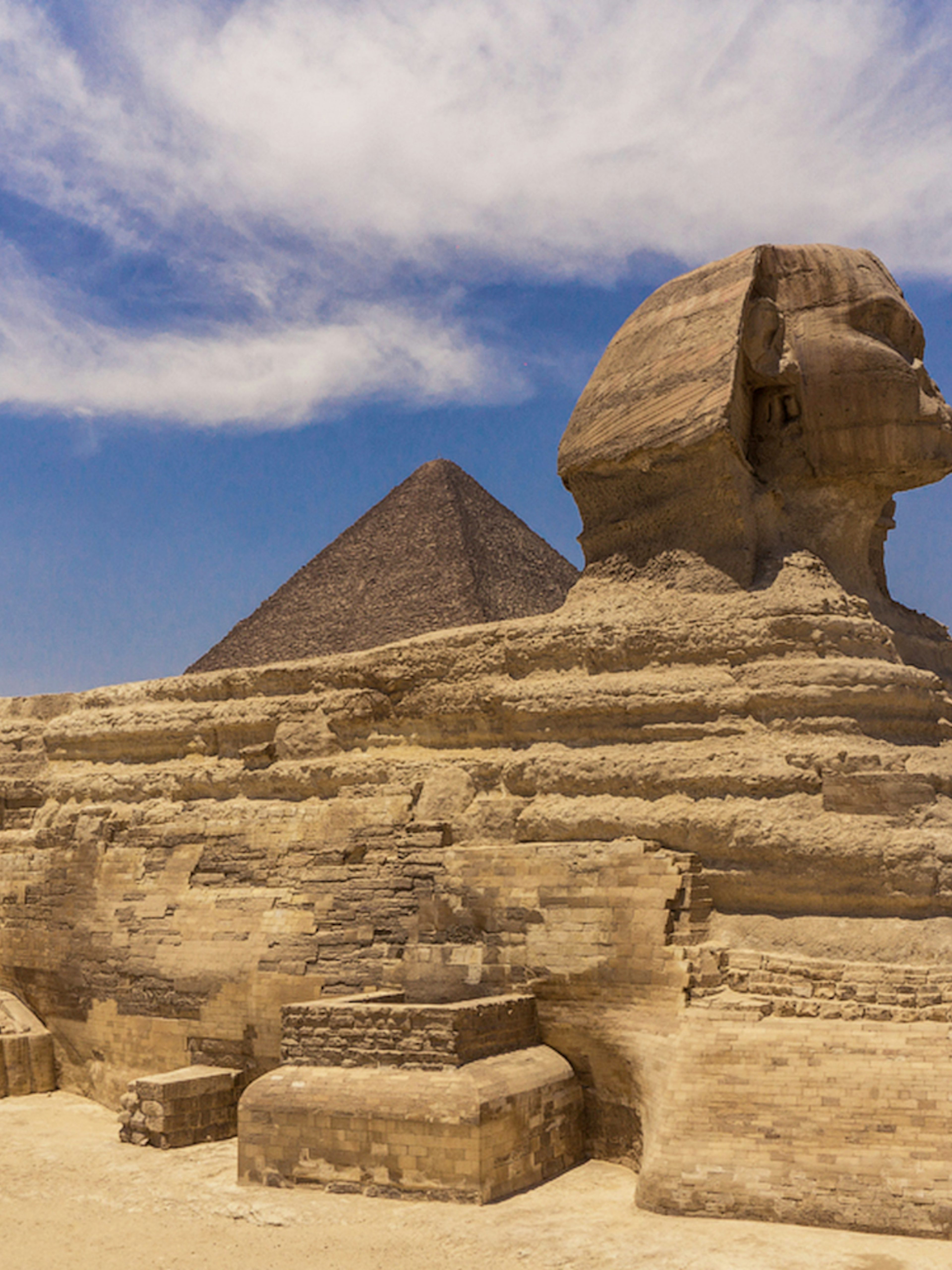
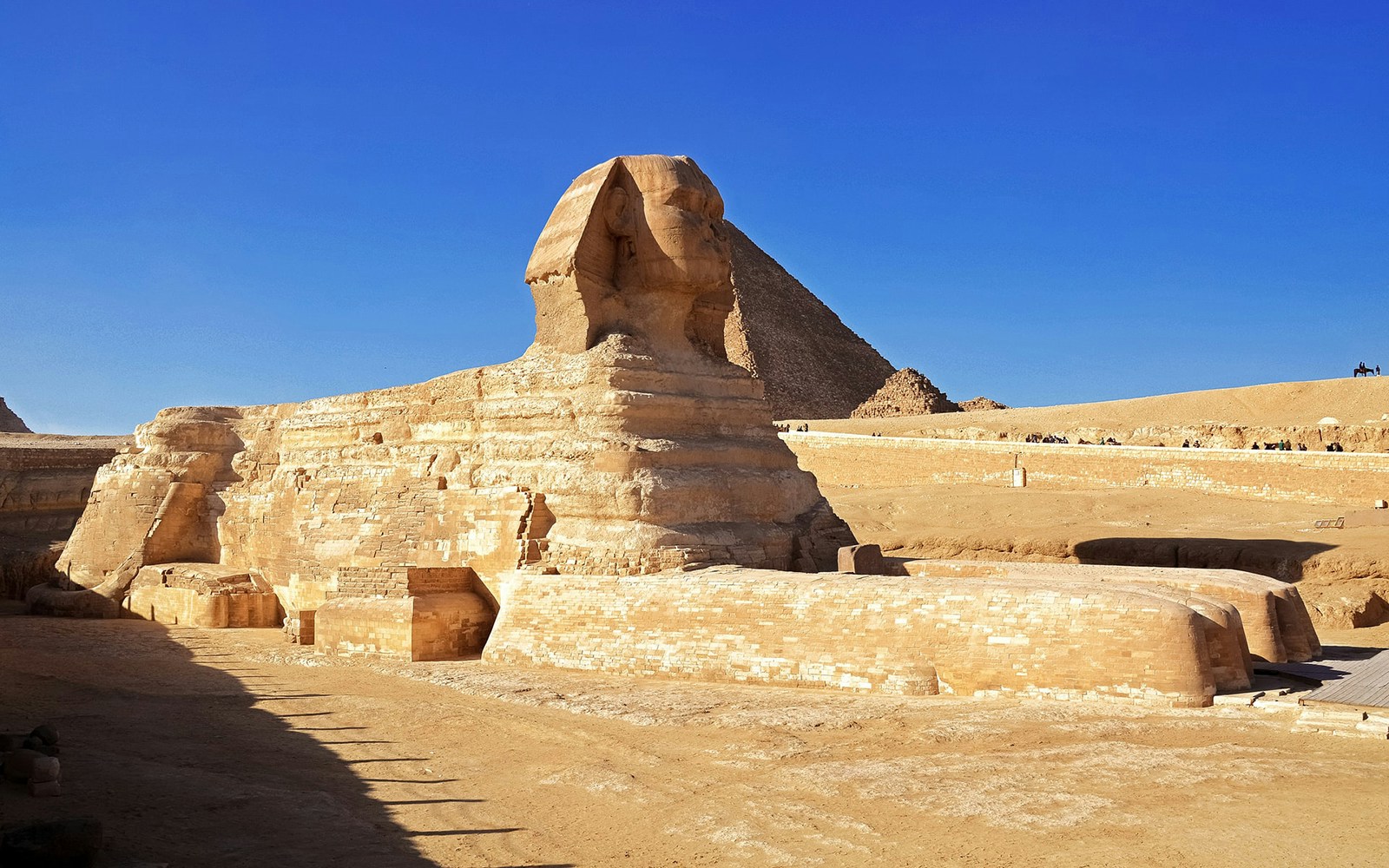
See the colossal limestone statue that has fascinated visitors for centuries.
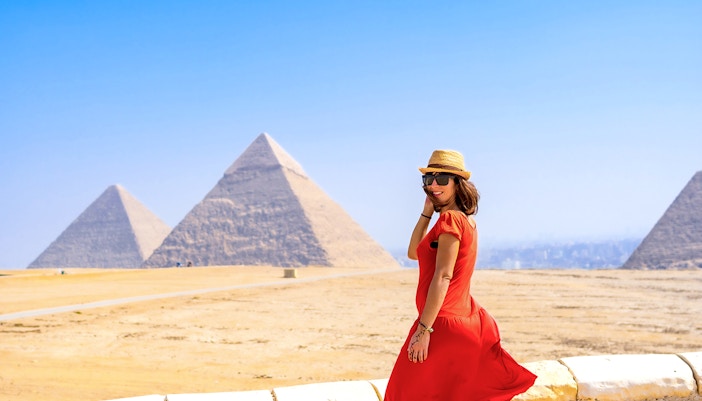
Unforgettable photo-ops
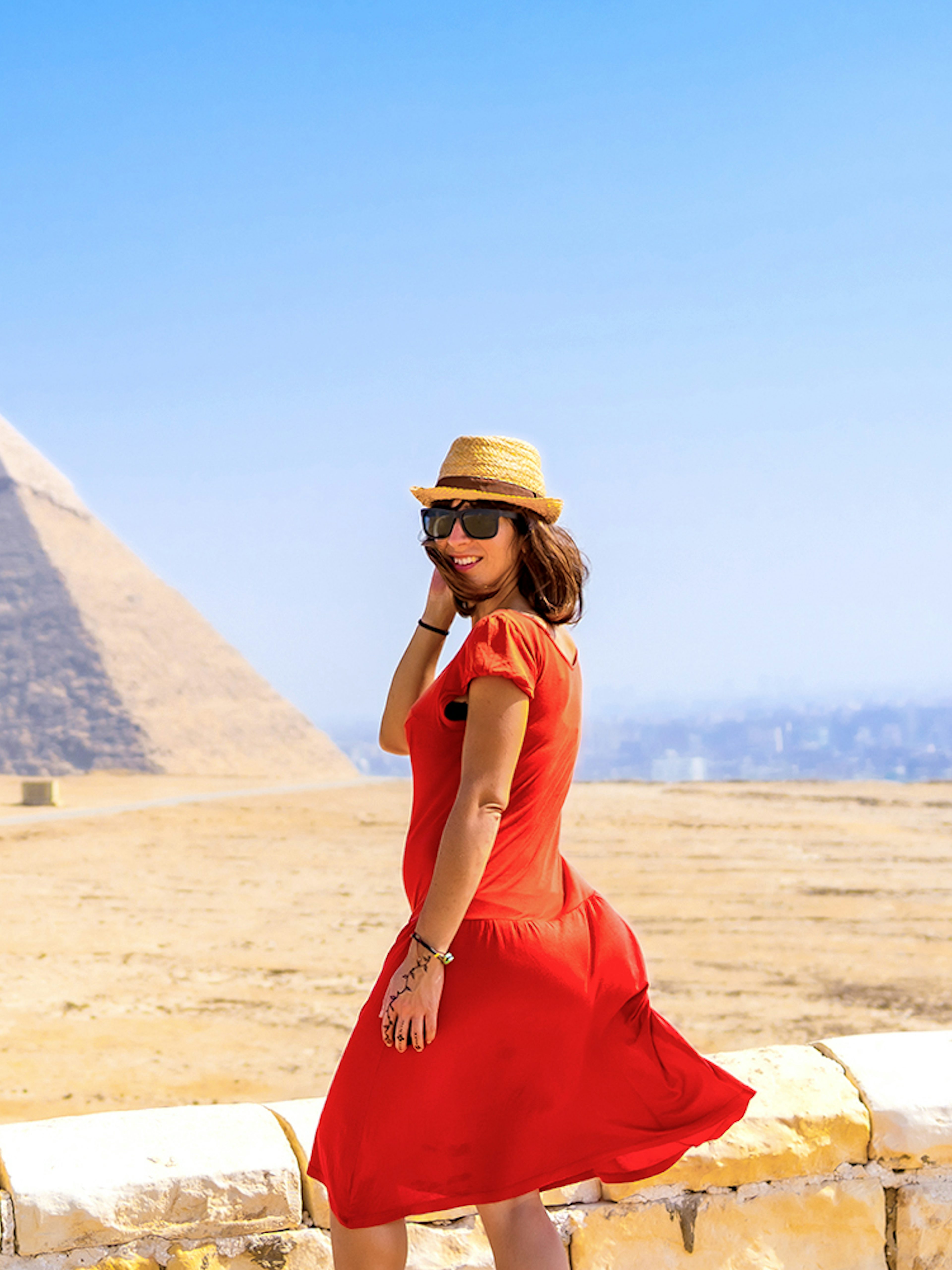
Capture breathtaking panoramas of the pyramids, the Sphinx, and the surrounding desert.
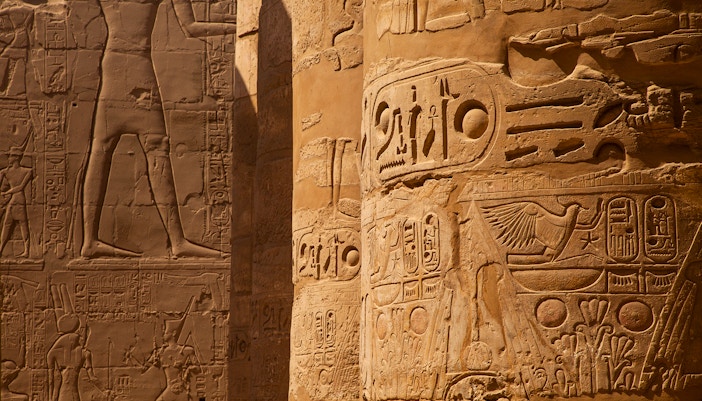
Temples & museums
Visit the Solar Barque Museum, temples, and tombs that reveal ancient rituals and craftsmanship.
What does the Giza Complex house?
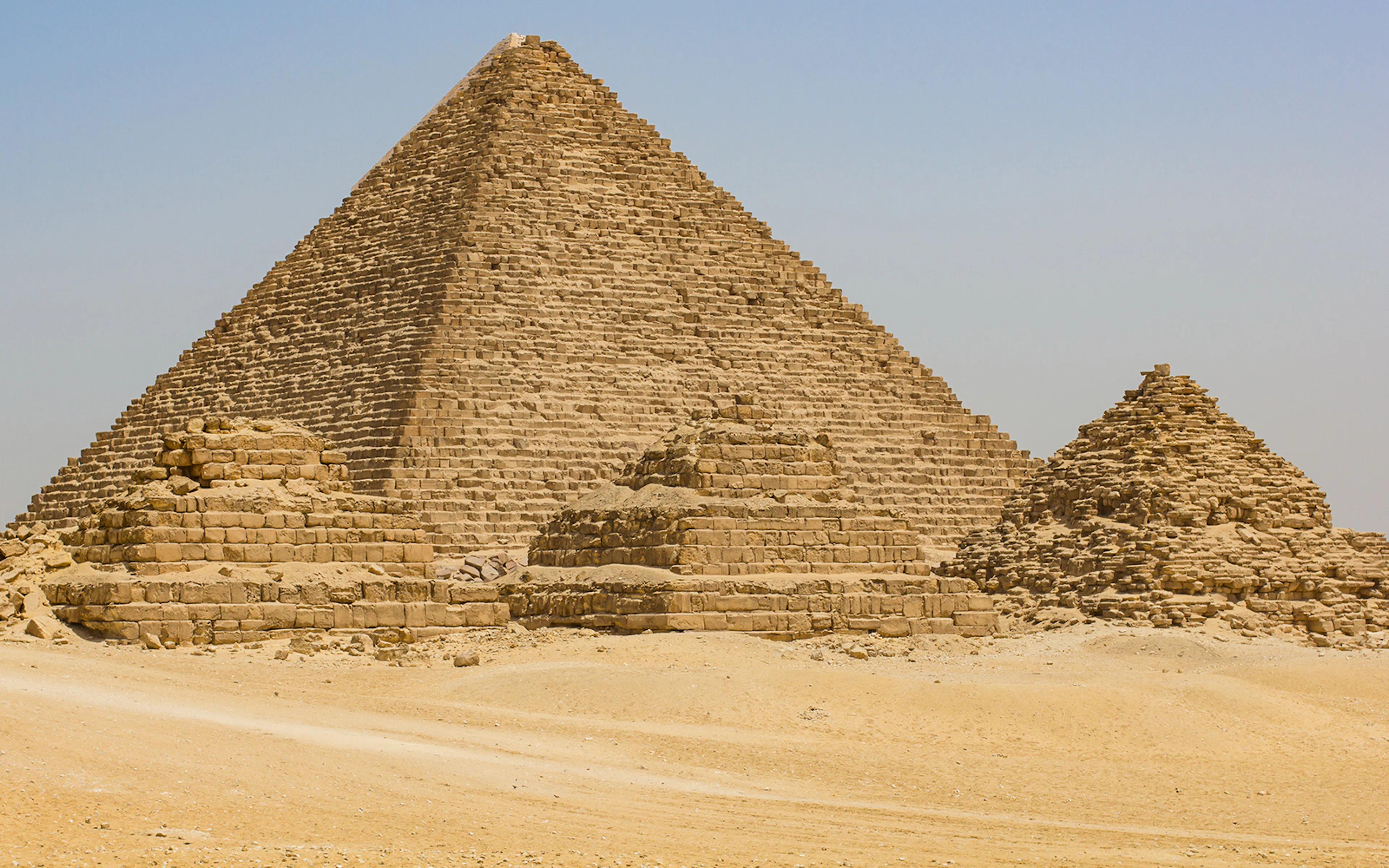
1/6
Great Pyramid of Khufu
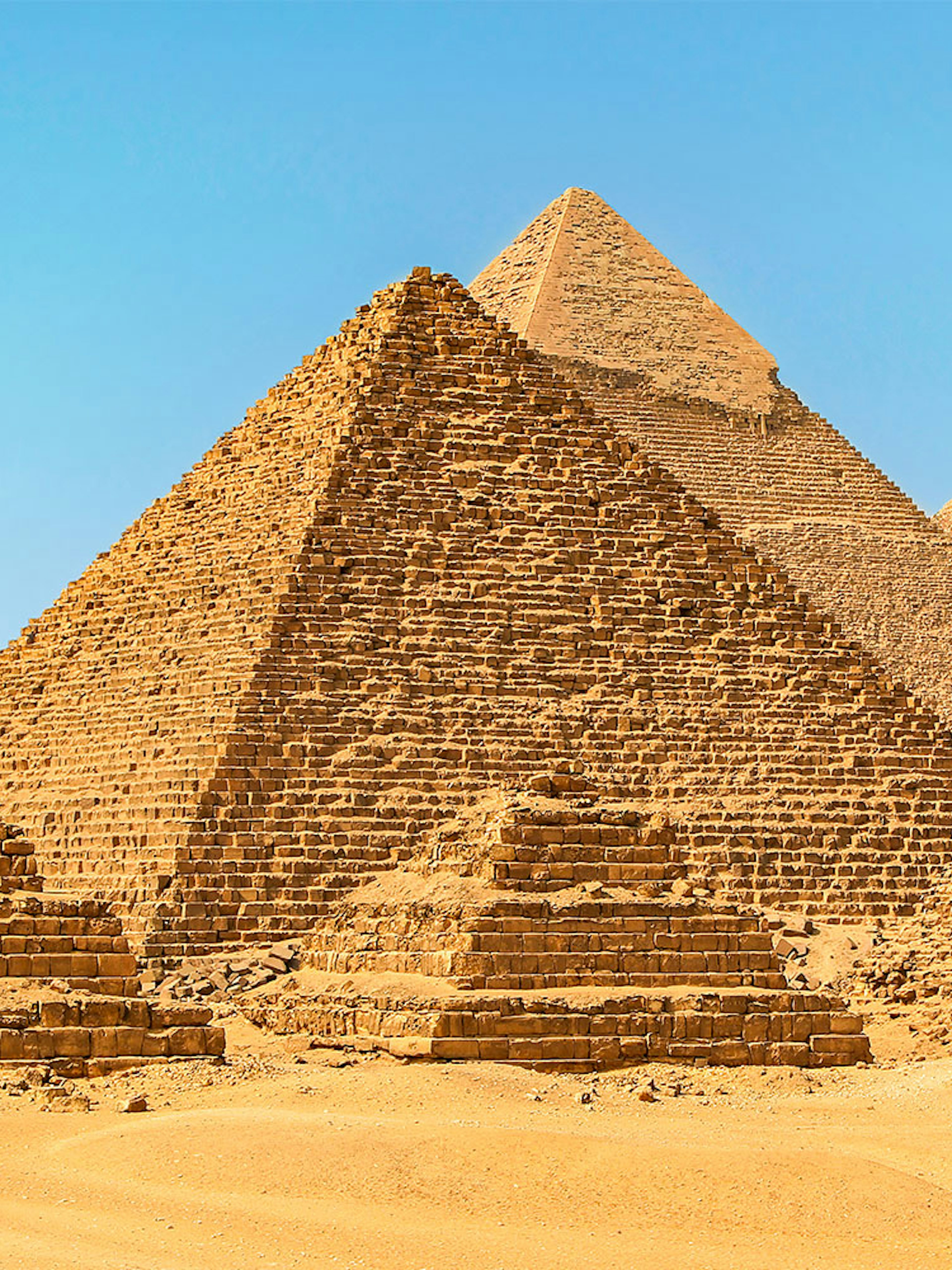
The largest pyramid, built for Pharaoh Khufu, showcases ancient engineering mastery.
Pyramid of Khafre
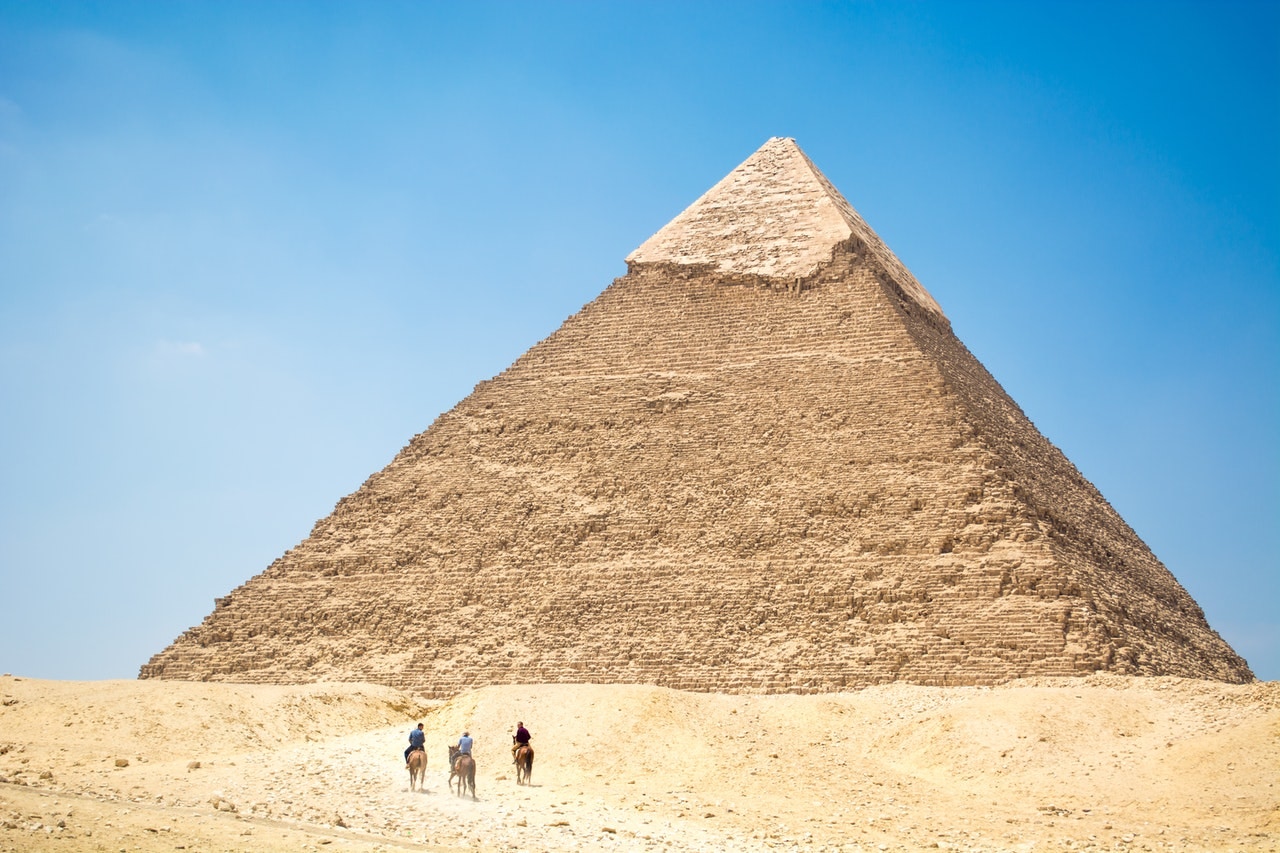
Slightly smaller but visually striking, often appearing taller due to its elevated location.
Pyramid of Menkaure
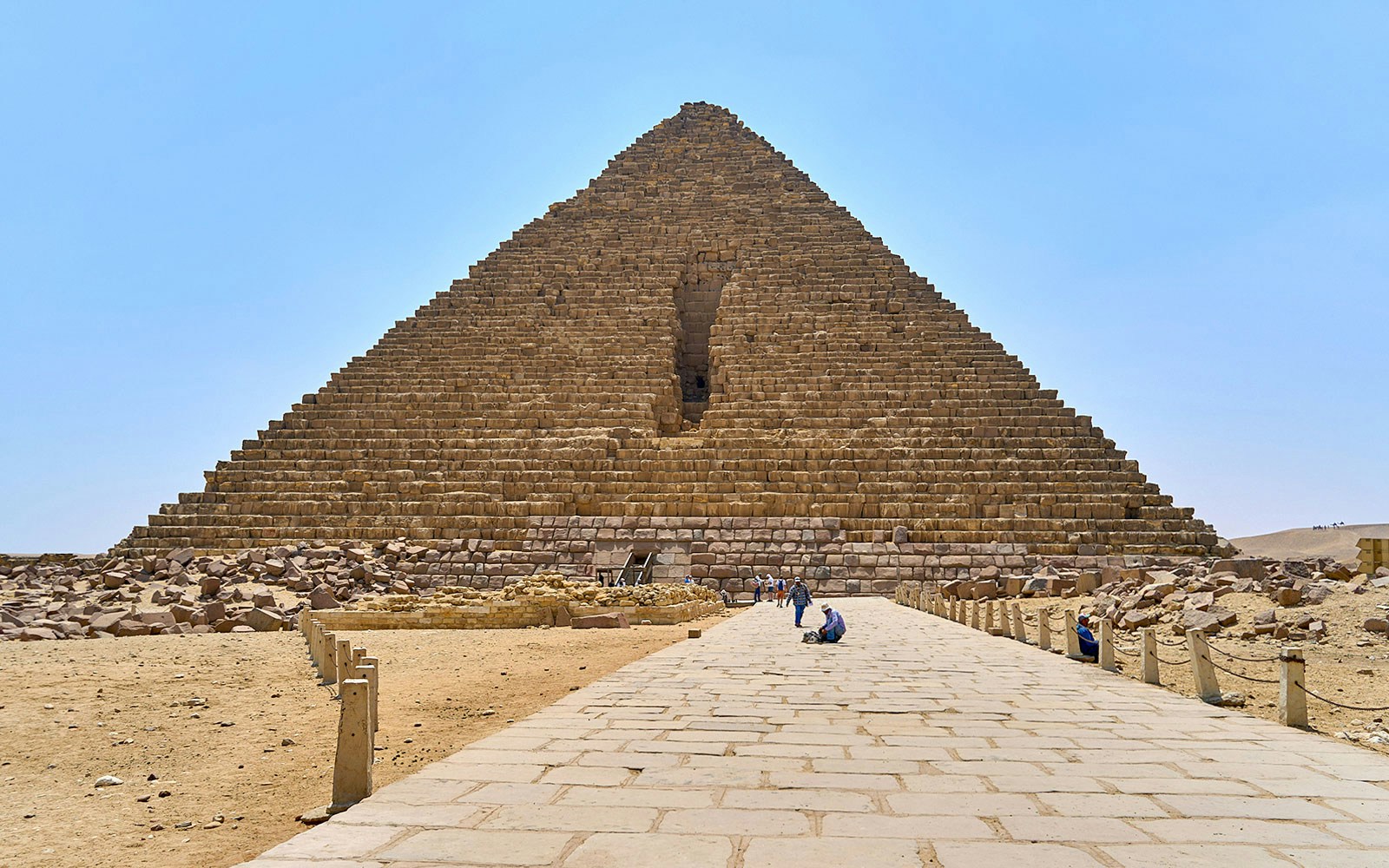
The smallest main pyramid, known for its elegant proportions and detailed stonework.
The Great Sphinx
Colossal limestone statue with a lion’s body and a pharaoh’s head, guarding the plateau.
Temples
Mortuary and Valley Temples linked to the pyramids, reflecting religious and ceremonial practices.
Tombs
Burial sites of pharaohs’ officials and nobles, offering insight into Old Kingdom life and funerary traditions.
Why is the Giza Complex important?
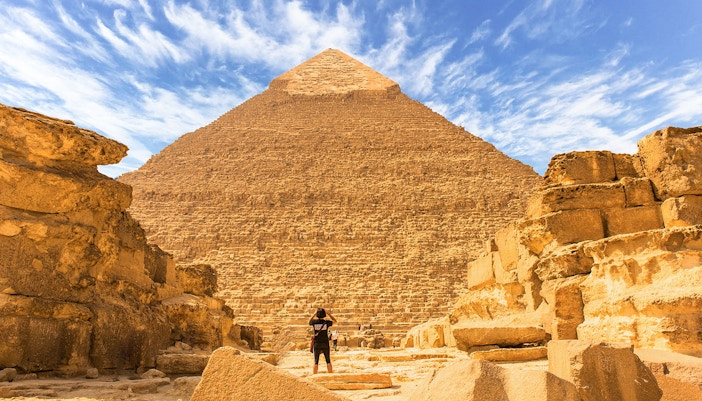
Architectural mastery
The pyramids demonstrate advanced engineering, precise stone cutting, and alignment with celestial bodies.
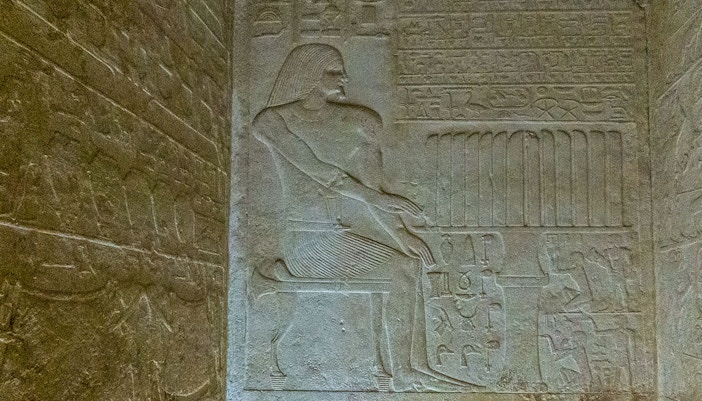
Religious significance
The layout and structures reflect beliefs about the afterlife, cosmic order, and divine kingship.
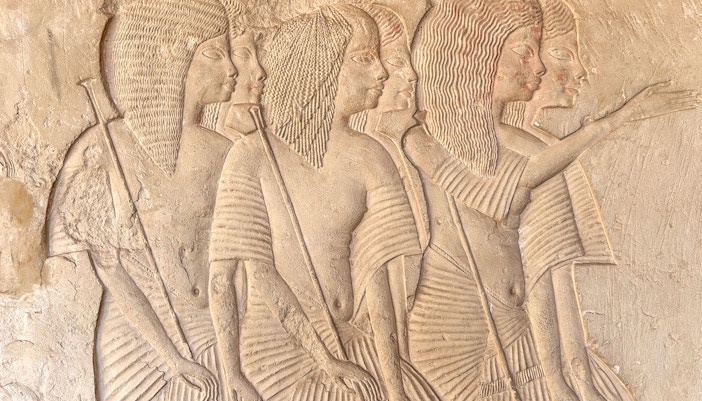
Cultural impact
The Sphinx, temples, and associated monuments illustrate the Old Kingdom’s artistic and spiritual sophistication.
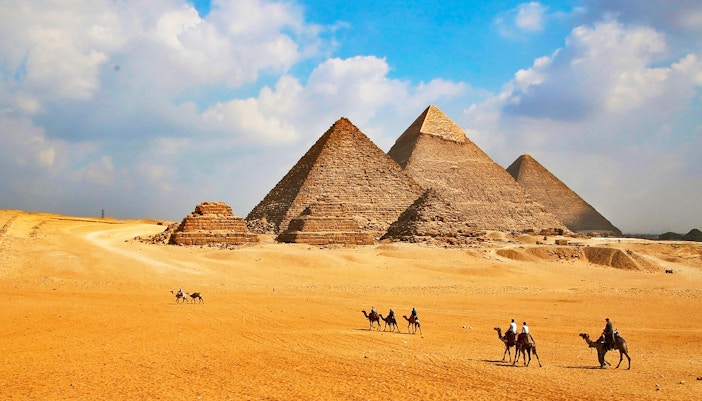
Global recognition
UNESCO World Heritage Site status highlights its universal value and influence on subsequent civilizations.
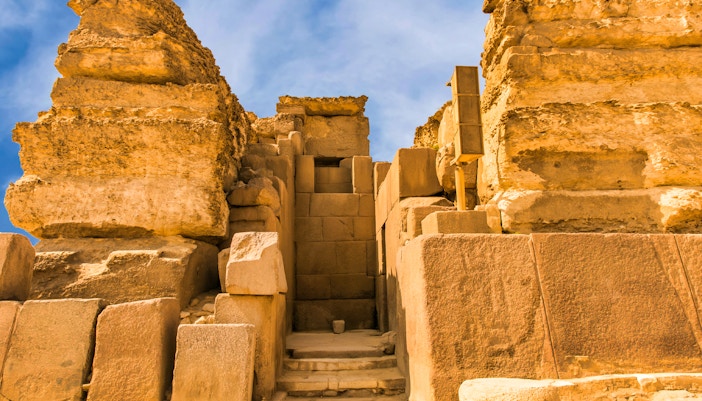
Archaeological insights
Tombs, artifacts, and hieroglyphics provide invaluable knowledge about daily life, religion, and governance in ancient Egypt.
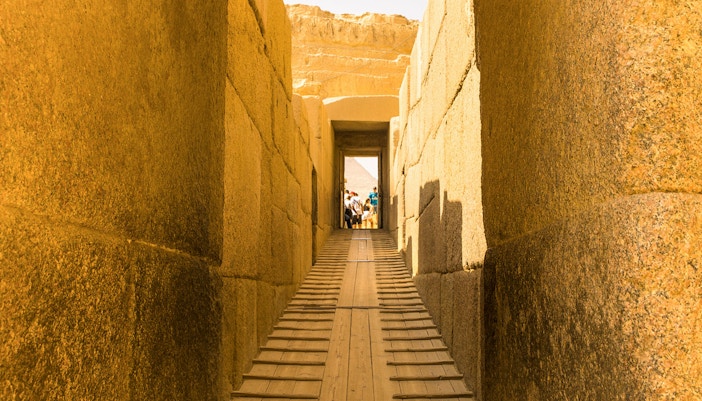
Tourism and education
The site draws millions annually, inspiring global research, preservation, and cultural understanding.
Timeline:
- c. 2580–2560 BCE: Construction of the Great Pyramid of Khufu, originally 146.6 meters tall, showcasing precision in alignment with the cardinal points.
- c. 2550 BCE: Completion of the Pyramid of Khafre and the Great Sphinx, believed to represent Pharaoh Khafre as a guardian of the plateau.
- c. 2510 BCE: Construction of the Pyramid of Menkaure, the smallest of the three main pyramids, known for its elegant proportions and granite casing in the lower sections.
- 4th Dynasty: The plateau becomes a central royal burial site, establishing architectural and religious traditions that influenced later dynasties.
- Later periods: Subsequent generations added temples, smaller tombs, and ceremonial structures, enhancing the necropolis as both a religious and cultural hub.
Plan your visit to the Giza Complex
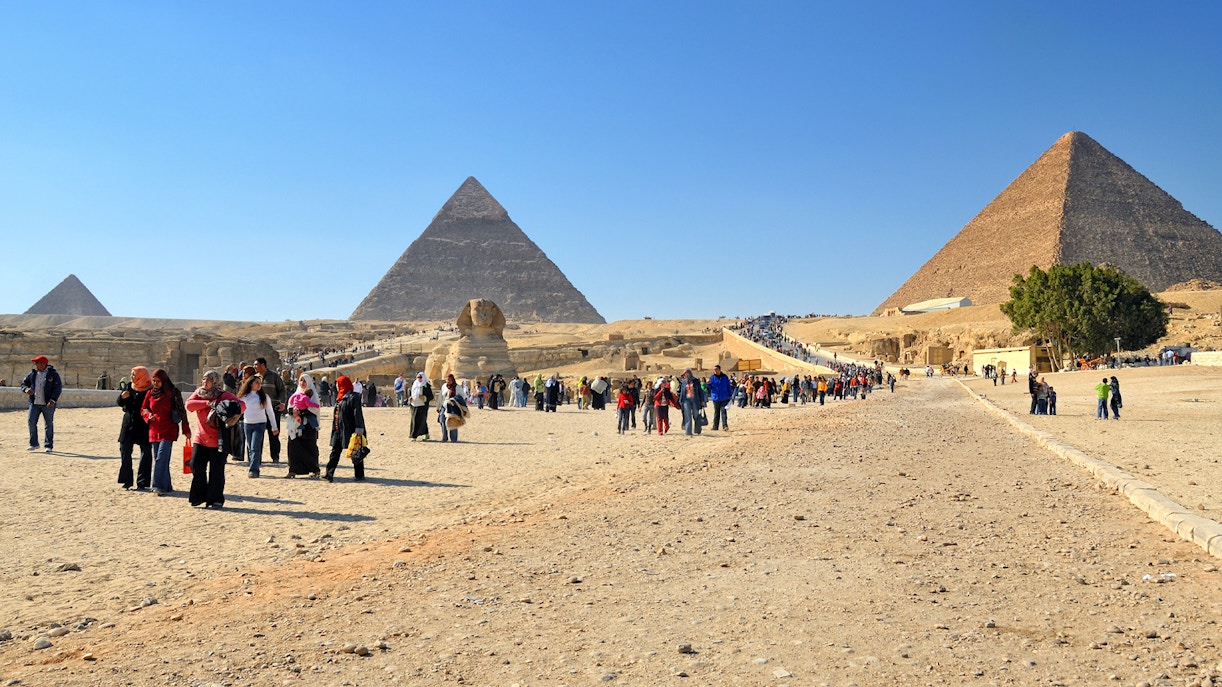
Opening hours: 8am – 5pm, daily (Last entry: 4pm)
- Visitors typically spend 2–3 hours exploring the Giza Plateau and Sphinx, 30–60 minutes inside the Great Pyramid, and 20–40 minutes in the Khafre or Menkaure pyramids.
- The Valley Temple and smaller monuments take around 30–45 minutes to explore.
- Optional activities such as camel or horse rides, quad biking, or the Sound & Light Show can add 30–90 minutes to your visit.
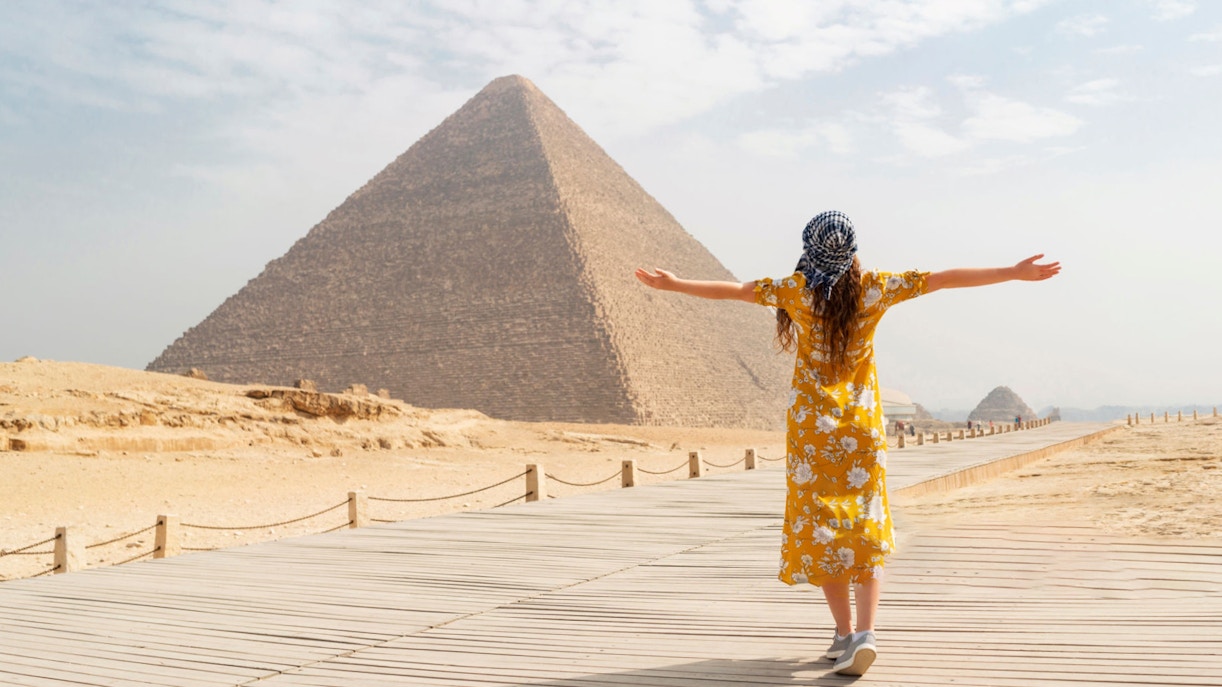
- Seasonal: October to March for cooler, pleasant weather; summer (April–September) can be extremely hot.
- Time of day: Early morning (8:00–10:00 AM) or late afternoon (3:00–5:00 PM) for smaller crowds and better lighting for photography.
- Weekday vs weekend: Weekdays are less crowded; weekends and holidays can be busy.
- Other tips: Visit during festivals or special events for cultural experiences, but expect larger crowds.
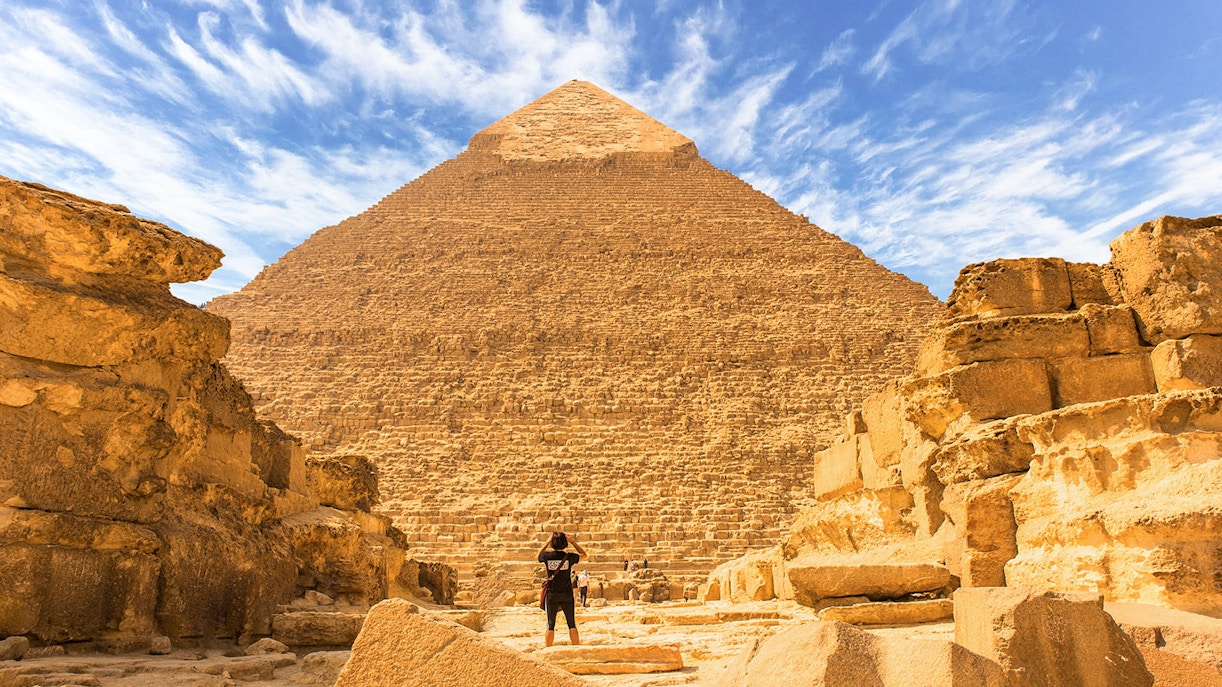
- Address: Giza Plateau, Al Haram, Giza, Egypt
- Situated on the west bank of the Nile, approximately 20 km southwest of central Cairo.
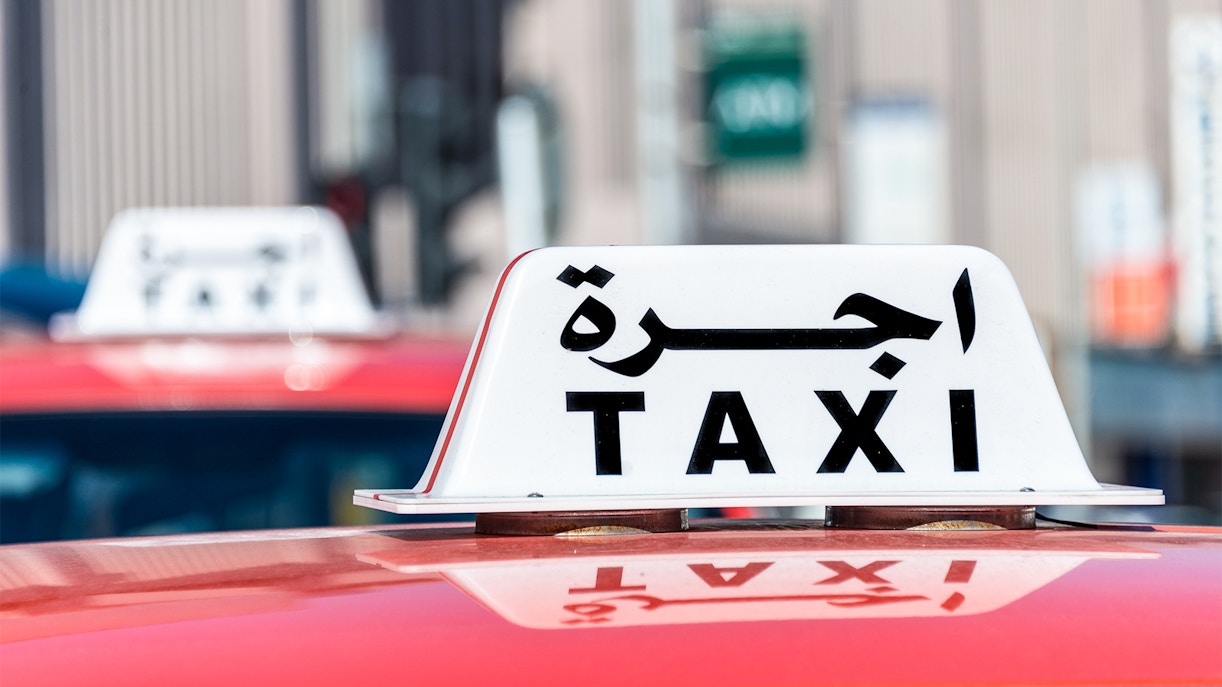
- Taxi / Ride-hailing apps: Convenient from Cairo hotels; takes ~30–45 minutes depending on traffic.
Metro + taxi: Take Cairo Metro to Giza station, then taxi or ride-share to the plateau.
- Public bus: Affordable option from Cairo city center; look for buses toward Giza Pyramids.
- Private car / tour: Ideal for groups or guided visits; pick-up and drop-off included.
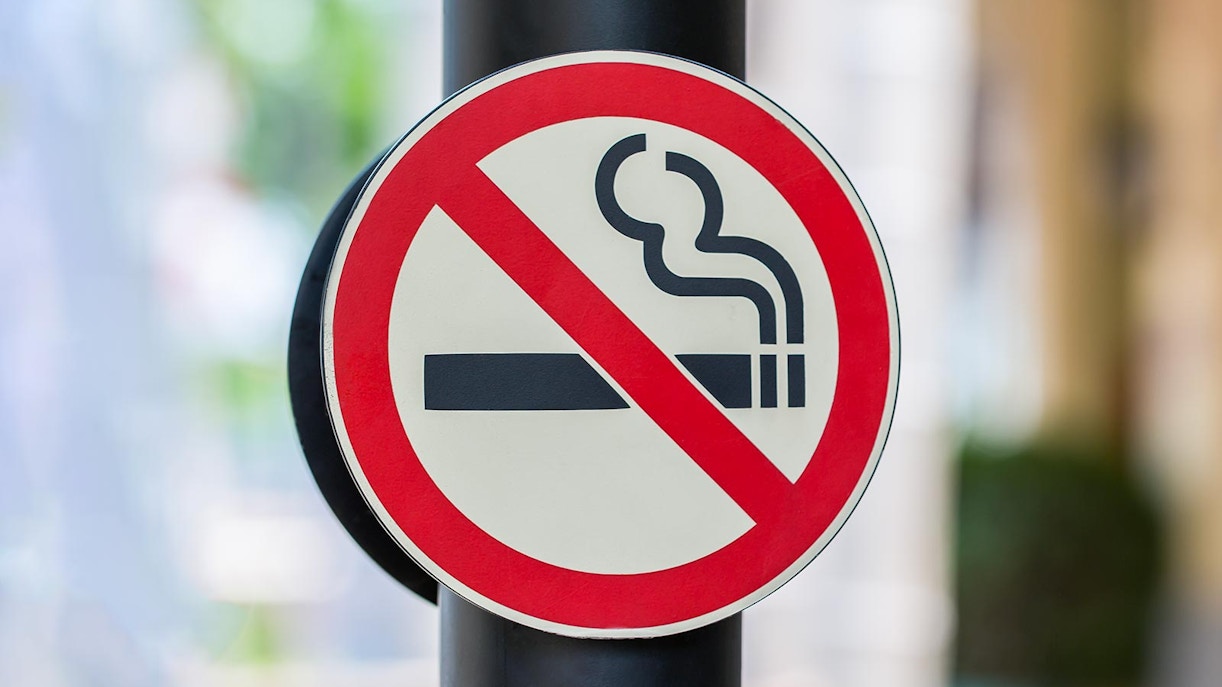
- No smoking, littering, or climbing the pyramids.
- Respect restricted areas and follow staff instructions.
- Photography is allowed; tripod use may be restricted in certain areas.
- Pyramid interior tickets are required for inside access.
- Follow guidelines for camel, horse, and quad rides; safety gear is recommended.

- Wear comfortable shoes and a hat; the plateau involves walking under the sun.
- Carry water and sunscreen.
- Start with the main pyramids, then move to Sphinx and temples.
- Hire a licensed guide or audio guide for better understanding.
- Arrive early to avoid crowds and take advantage of morning light for photos.

- Restrooms near the main entrance and ticket areas.
- Small cafés and refreshment stalls.
- Souvenir shops and local vendors near the plateau.
- Shaded seating areas for rest.
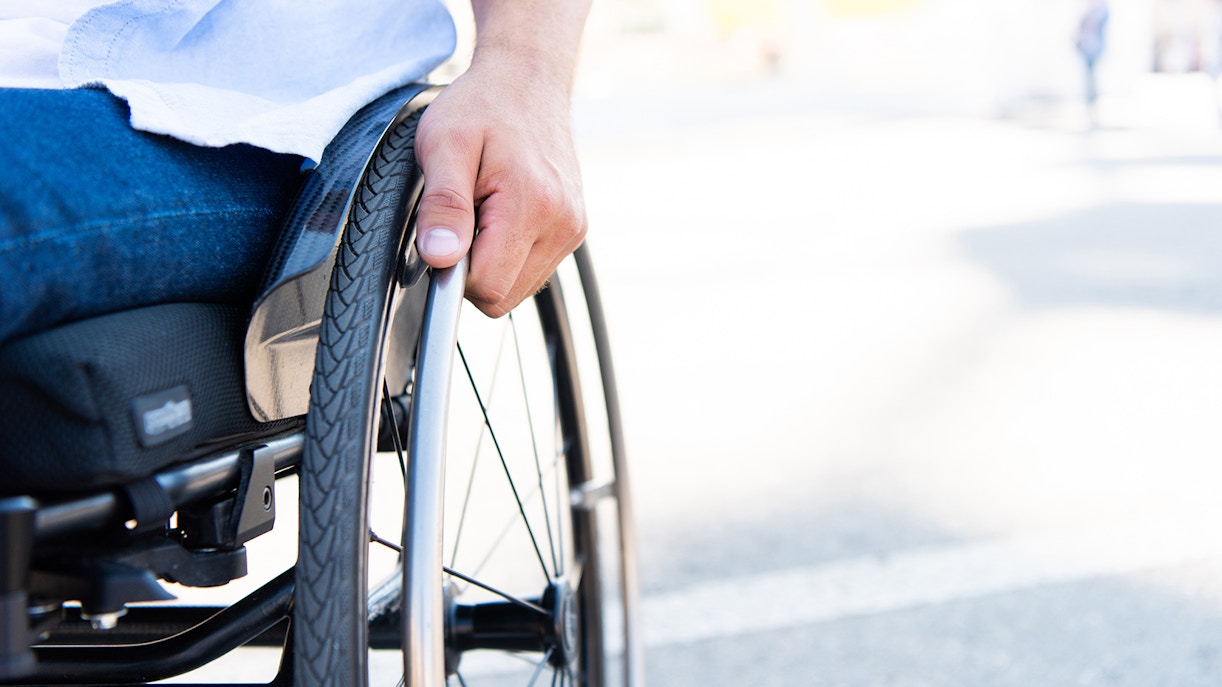
- Wheelchair access is limited; main complex paths are uneven.
- Some areas near pyramids and temples are accessible with assistance.
- Camel rides, quad biking, and other activities may have restrictions for mobility-impaired visitors.
- Guided tours can offer support for visitors with limited mobility.
Things to do around the Giza Complex
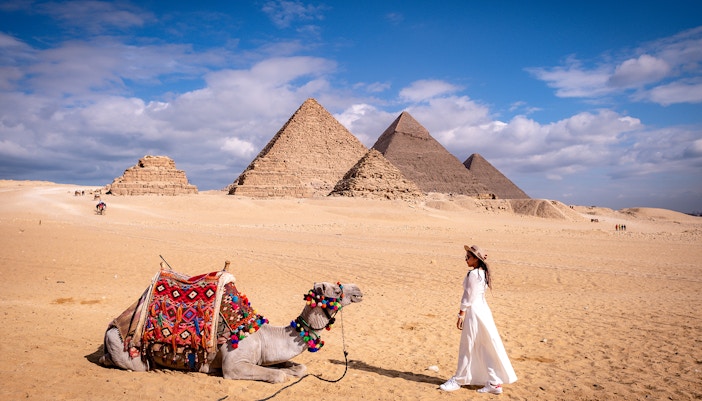
Camel rides
Experience the desert like ancient Egyptians did with a memorable camel ride around the pyramids.
Camel Ride Around the Pyramids
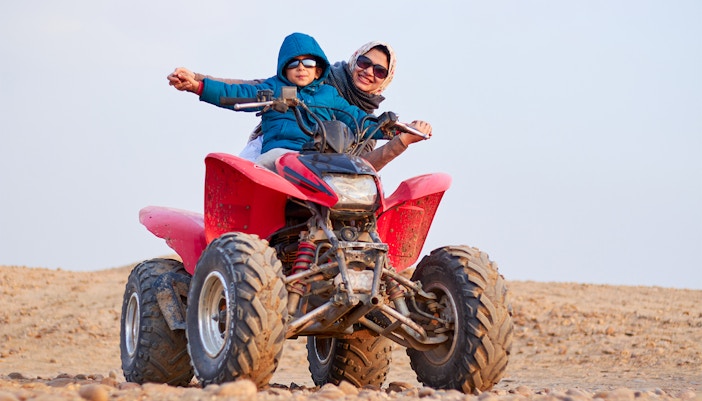
Quad biking adventure
Add a thrill to your visit with guided quad bike tours across the desert surrounding the pyramids.
Quad Biking Tour of the Pyramids
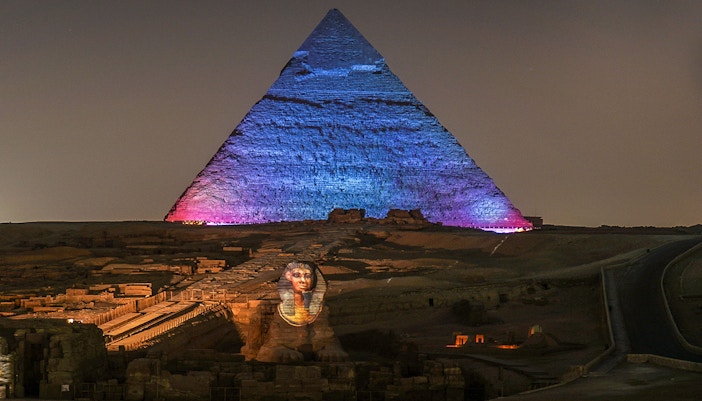
Sound & light show at Giza
Witness the pyramids and Sphinx come alive with stories of Pharaohs and Egyptian history in a spectacular evening show.
Sound & Light show at The Giza Pyramids
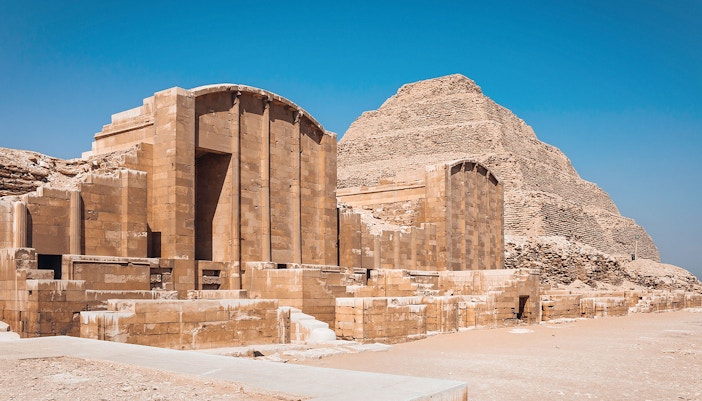
Explore nearby pyramids
Visit the lesser-known pyramids of Saqqara or Dahshur on a guided day trip for a more complete experience of Egypt’s necropolises.
Giza Complex Skip The Line Tickets + Access to Khufu Pyramid
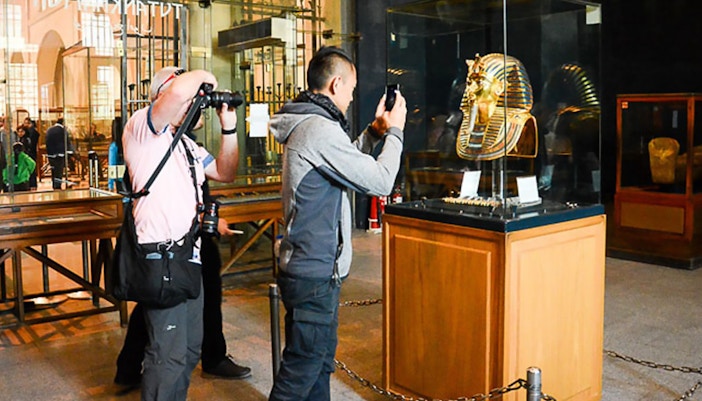
Guided tours
Combine the Giza Complex with Cairo city tours, museum visits, or Nile cruise experiences for a full-day adventure.
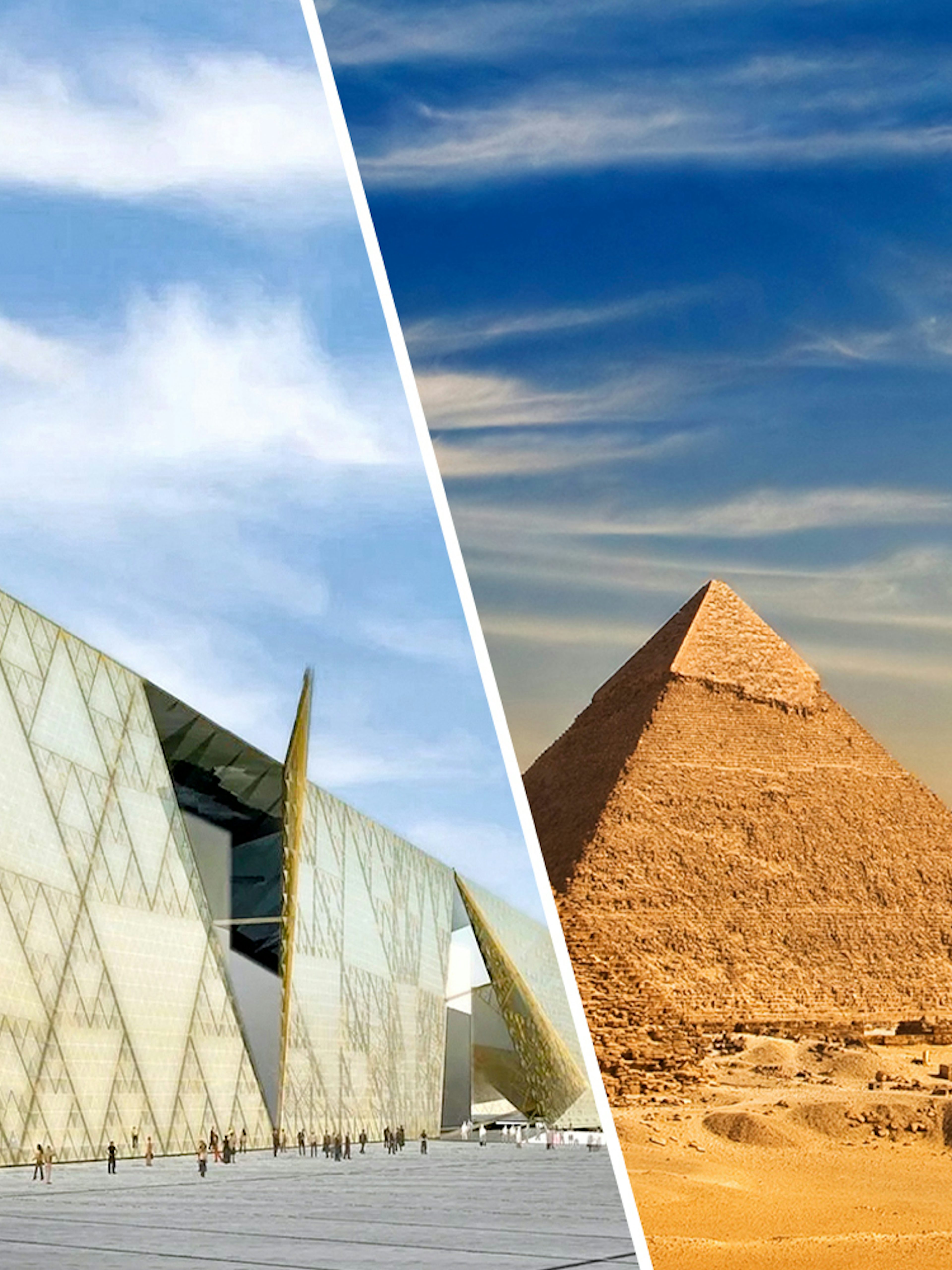
Full-Day Guided Tour of Pyramids of Giza, Sphinx, Grand Egyptian Museum
The Giza Complex in photos
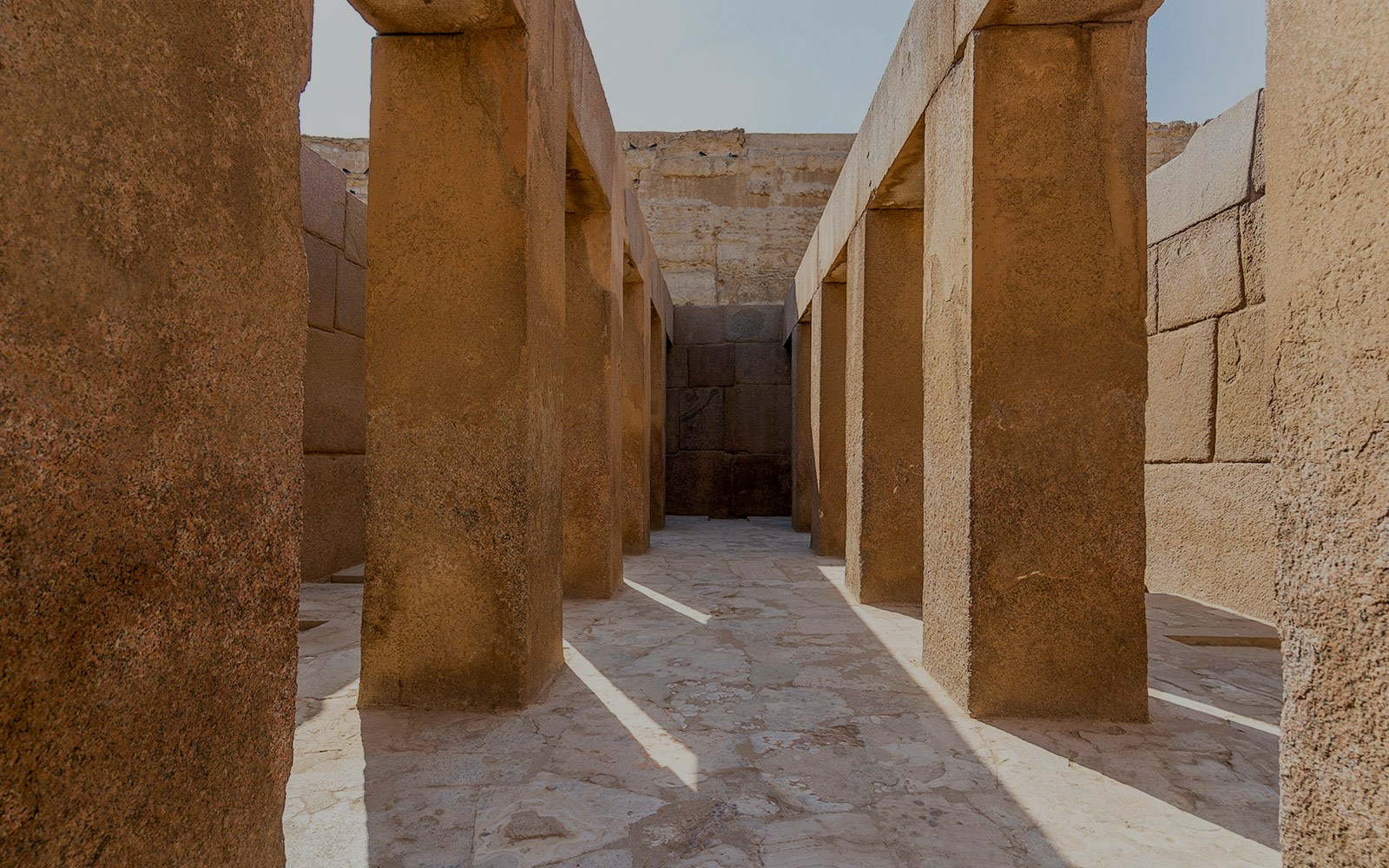
Nearby attractions & experiences
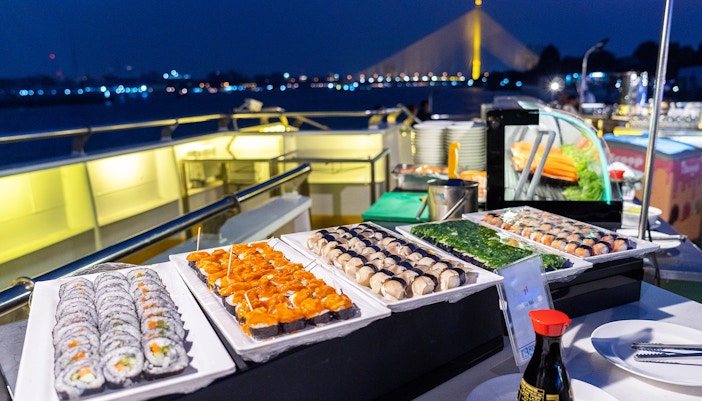
Nile dinner cruise
Enjoy a relaxing evening with a buffet dinner and live entertainment along the Nile.
4-Star Nile Dinner Cruise
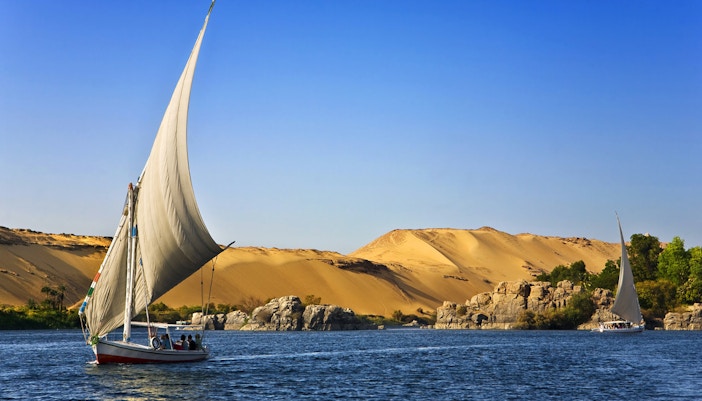
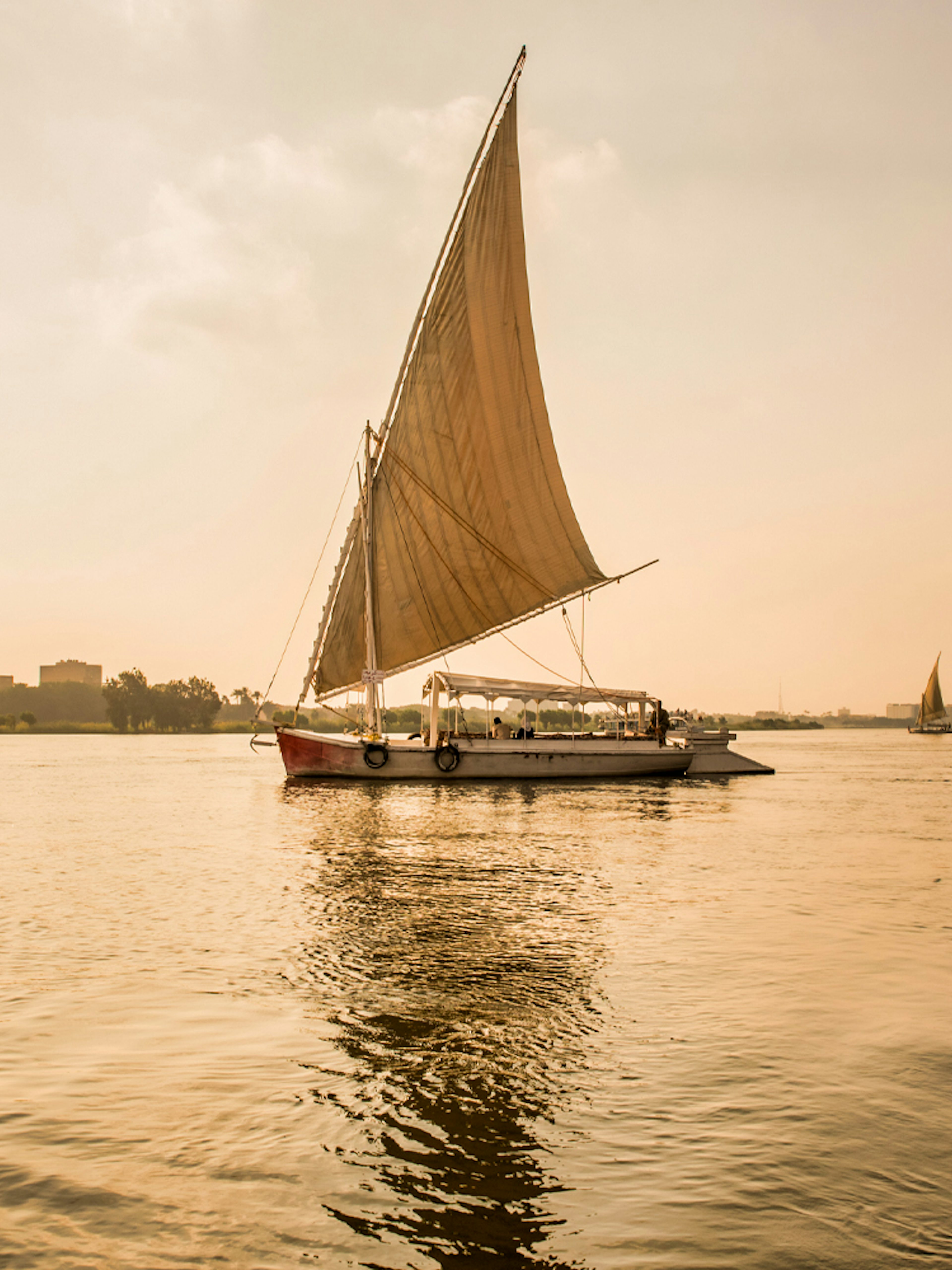
Felucca sail rides
Traditional wooden sailboats for a peaceful daytime or sunset ride on the Nile.
Giza Pyramids & Sphinx Guided Tour with Nile Felucca Ride
Saqqara & Dahshur pyramids
Visit other ancient pyramids nearby for a complete Old Kingdom experience.
Saqqara, Memphis & Dahshur: Skip-the-Line Tickets
Egyptian Museum of Antiquities
Explore thousands of artifacts from ancient Egypt, including statues, jewelry, papyrus scrolls, and mummies.
The Egyptian Museum of Antiquities in Cairo Skip-the-Line Tickets
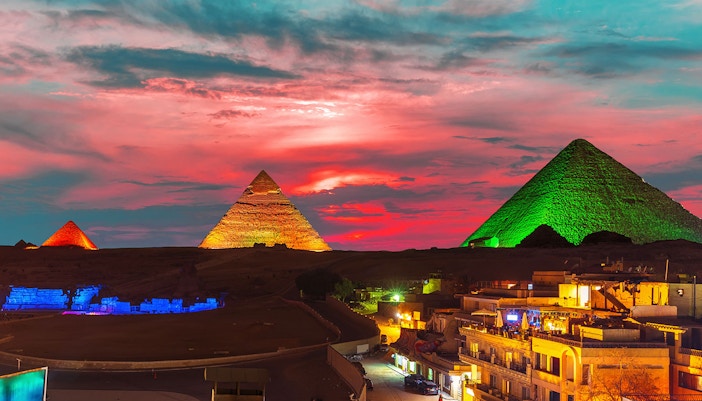
Sound & light show
Experience the pyramids and Sphinx come alive with storytelling and illuminations at night.
Sound & Light show at The Giza Pyramids
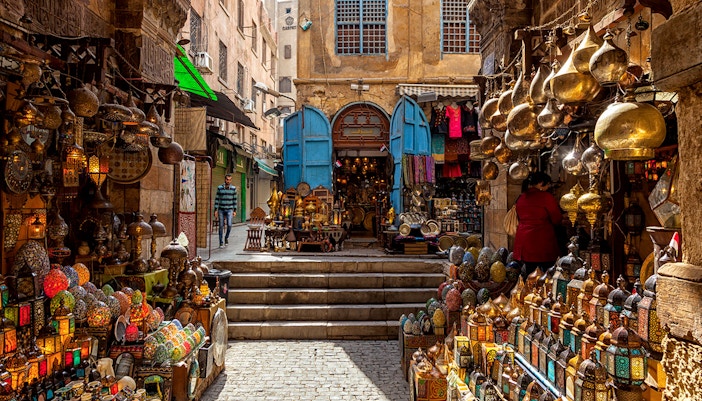
Khan el-Khalili market
Browse traditional Egyptian crafts, souvenirs, spices, and local treats in a vibrant market atmosphere near Cairo.
Guided Tour of the Pyramids, Museum of Antiquities & the Khan El Khalili Bazaar
Frequently asked questions about the Giza Necropolis
The Giza Complex is open daily from 8am to 5pm.
Yes, but a separate ticket is required for the Great Pyramid, Khafre, or Menkaure.
Yes, licensed guides and audio guides are available in multiple languages. Booking in advance is recommended.
Comfortable walking shoes, a hat, sunscreen, and plenty of water. Cash is useful for souvenirs, rides, or refreshments.
Some areas are accessible, but the terrain can be uneven. Wheelchair assistance is limited, so check in advance if needed.
Personal photography is allowed. Tripods and flash photography are generally prohibited inside pyramids.
October to March offers cooler weather. Mornings are less crowded than afternoons.
Yes, these are available on-site for an additional fee. Booking rides in advance is recommended for popular times.
Visitors can enjoy Sound & Light shows, Nile cruises, felucca rides, and trips to nearby pyramids like Saqqara and Dahshur.
More Reads
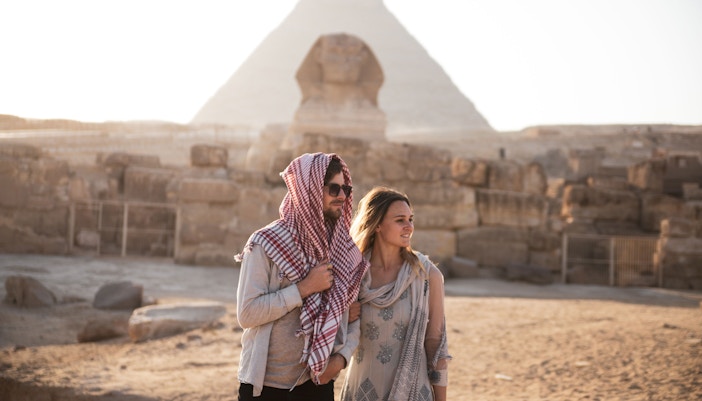
About Pyramids of Giza
About Pyramids of Giza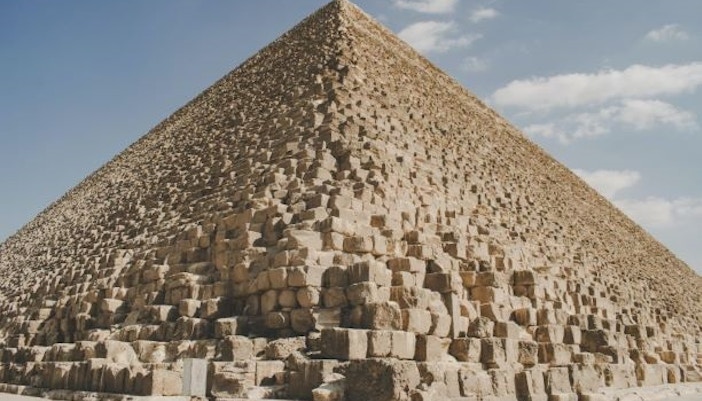
Inside Pyramids of Giza
Inside Pyramids of Giza