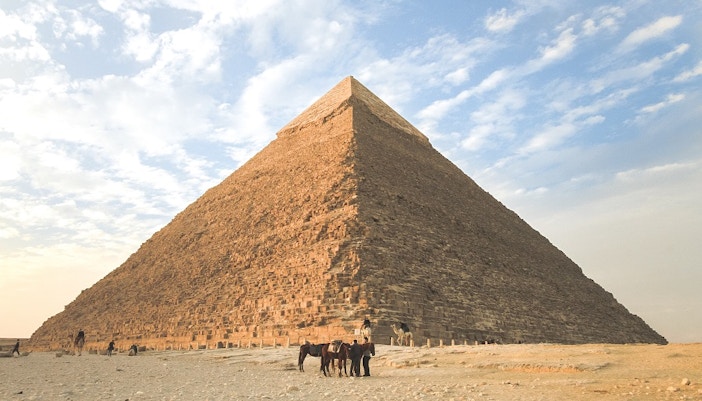
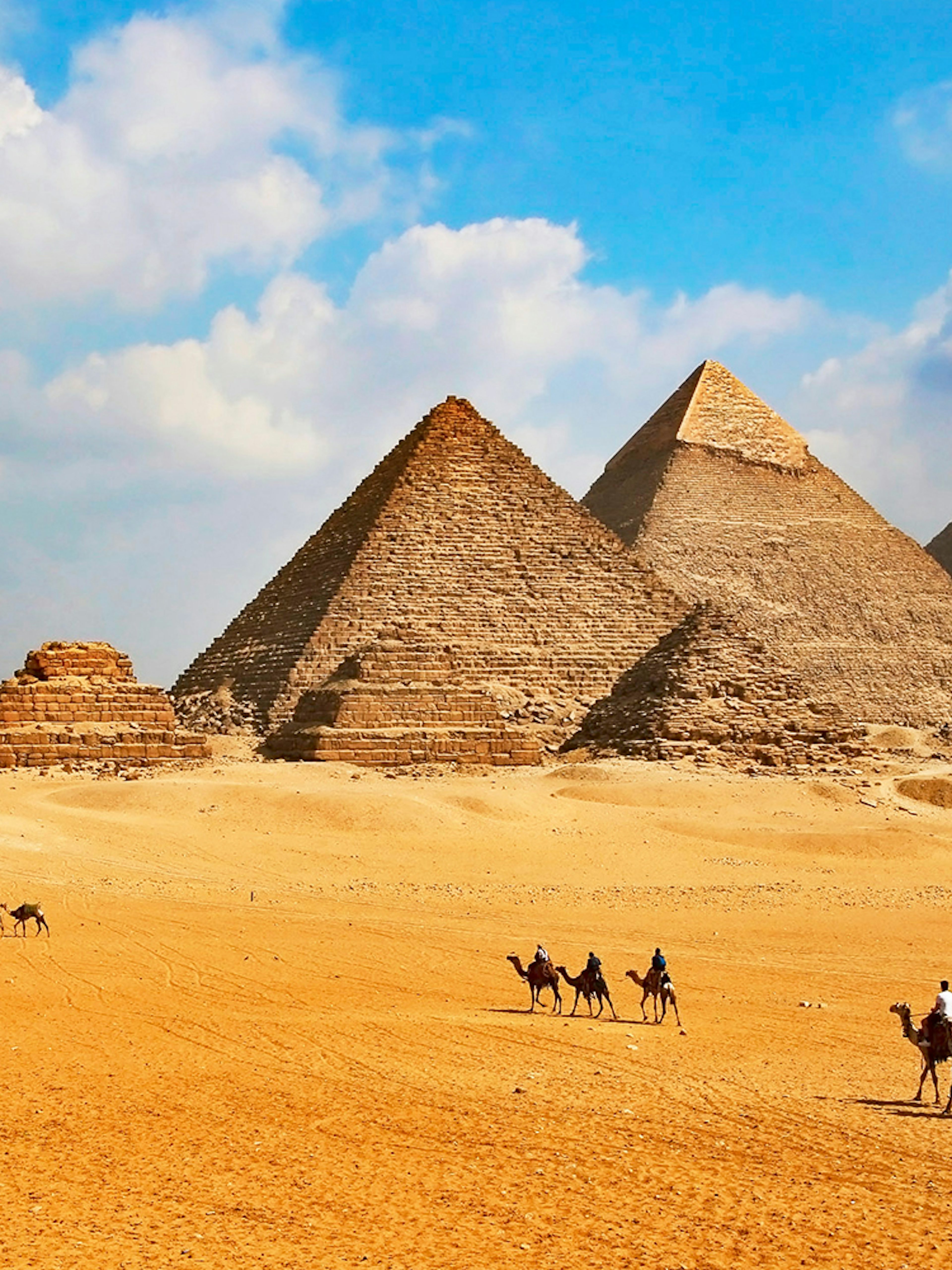
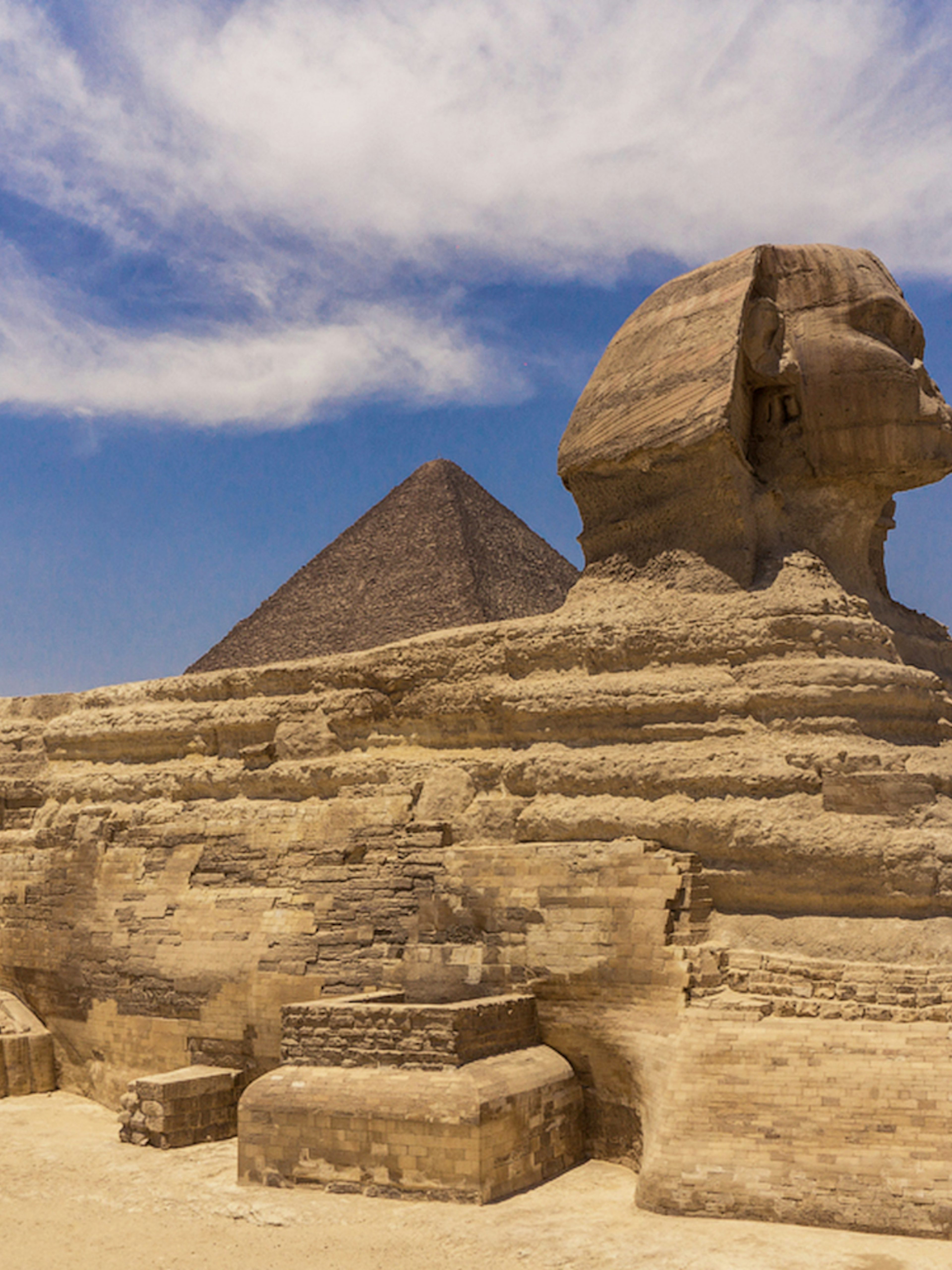
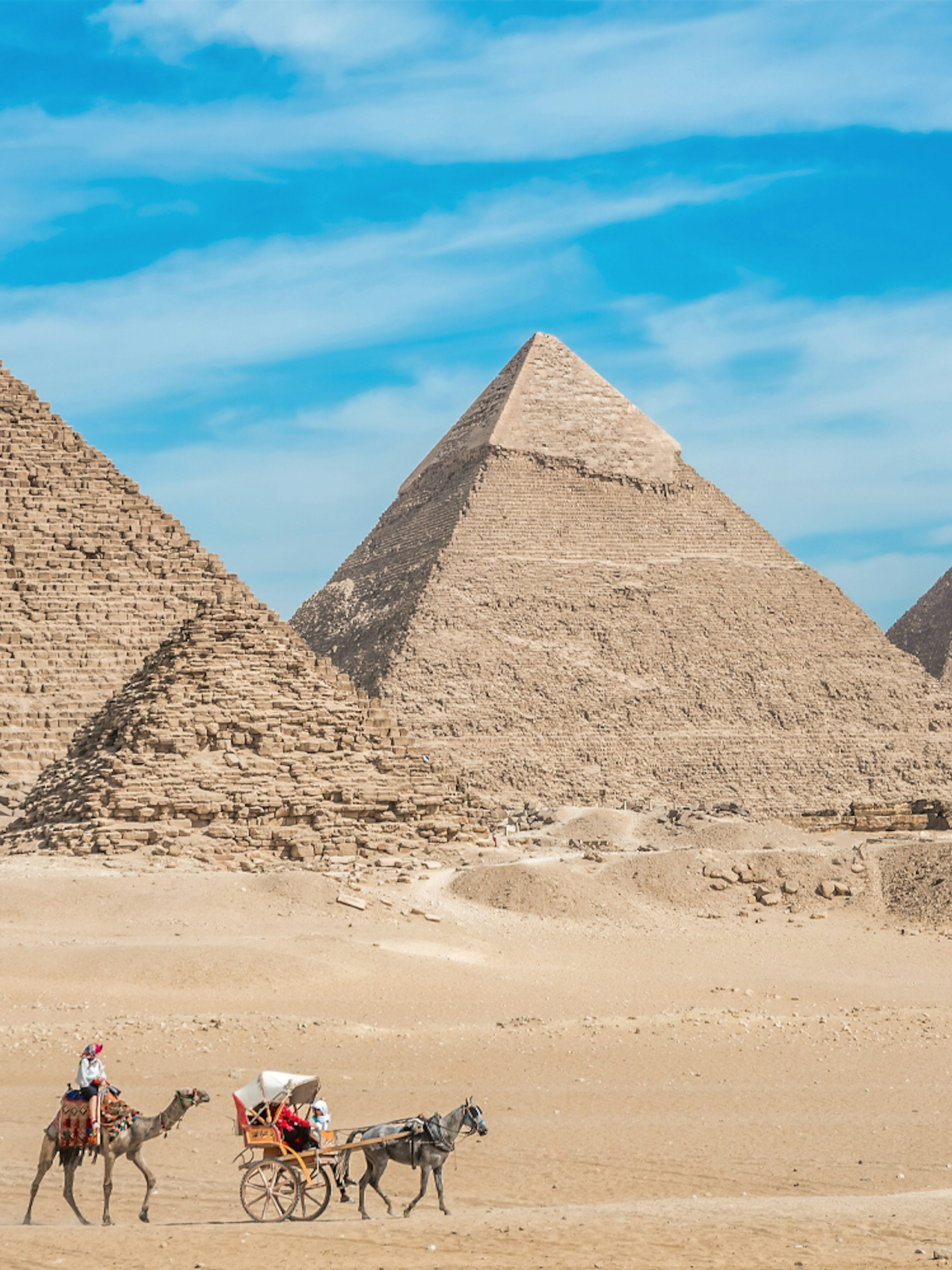
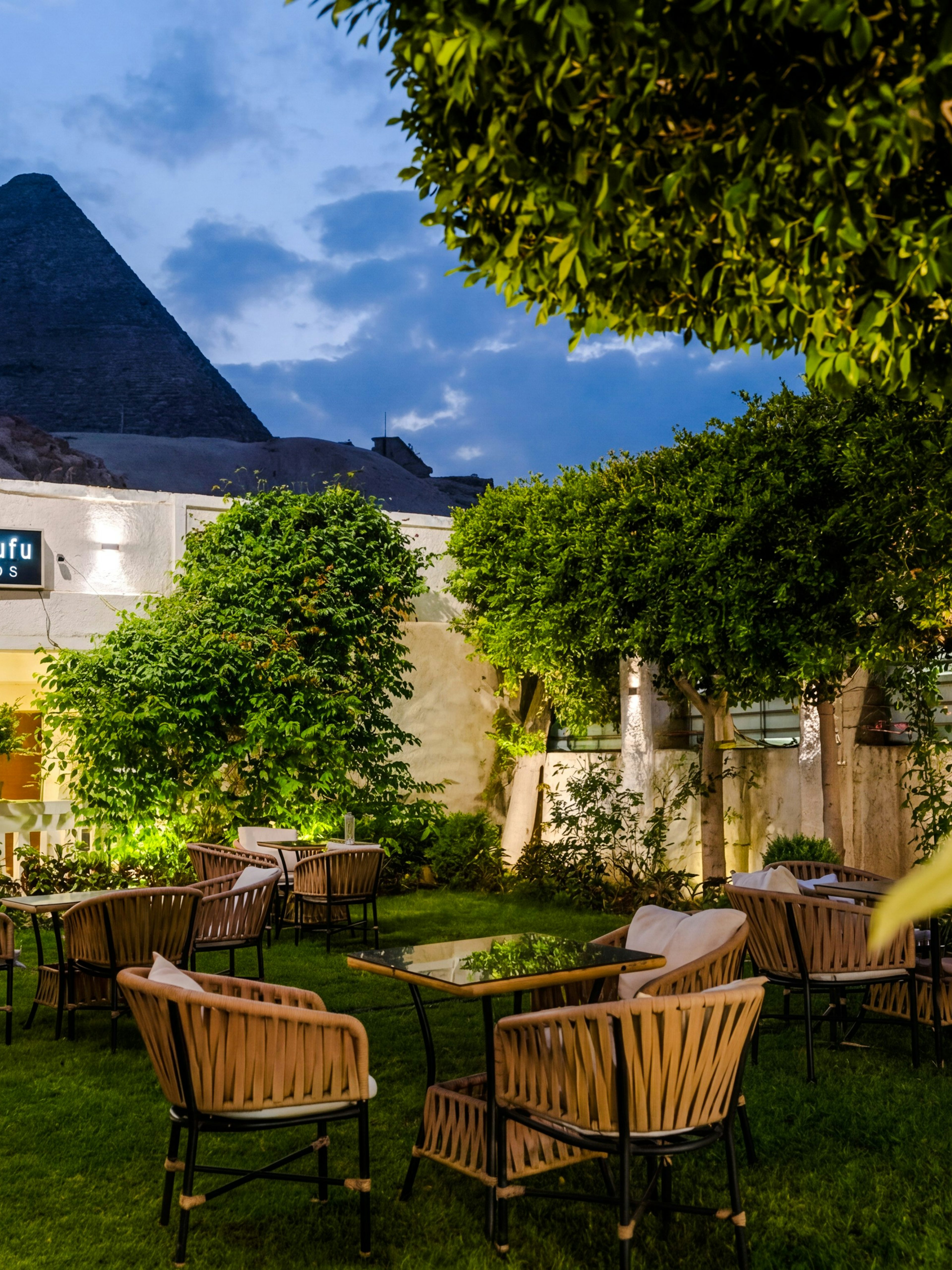
Stand just metres from the colossal limestone statue and take in its detailed face, paws, and headdress.
Visit the Great Sphinx of Giza
What to expect when you visit the Great Sphinx
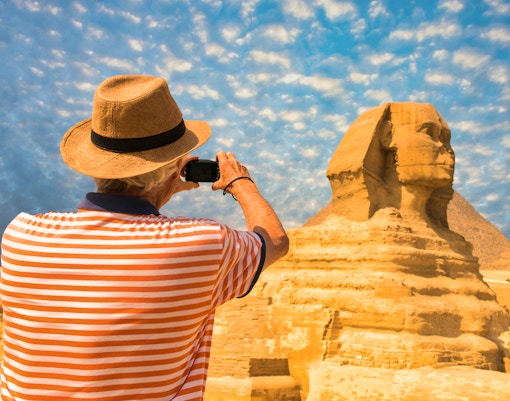
Up-close views
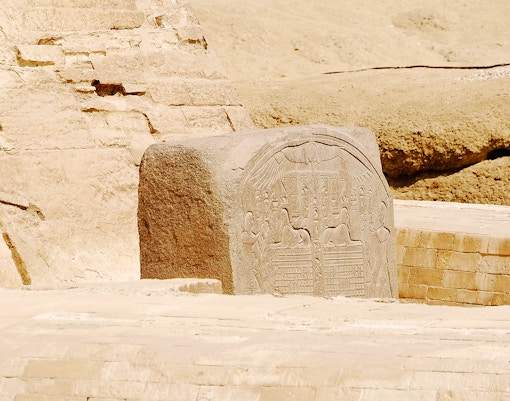
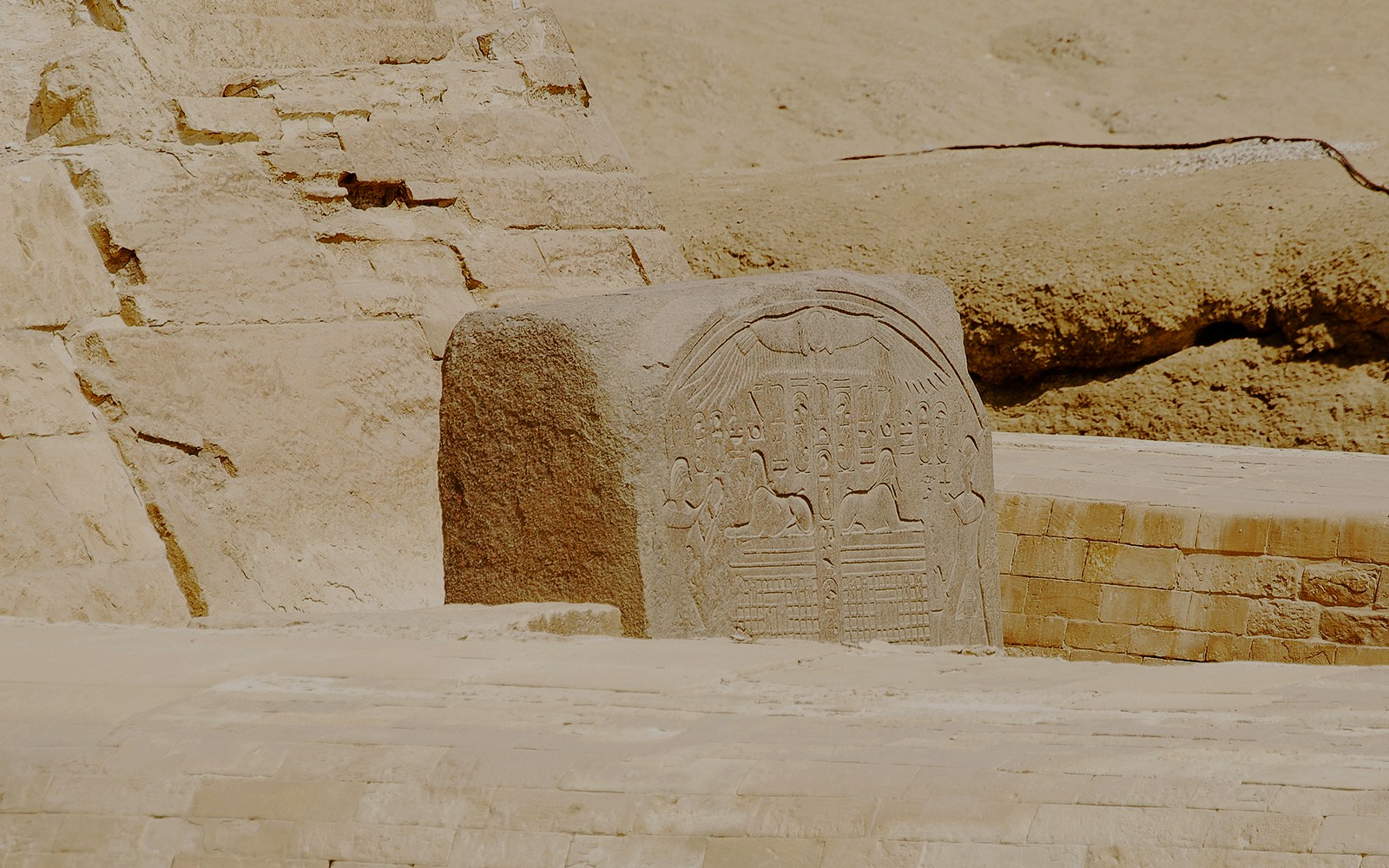
Dream Stele
See the ancient granite tablet between the paws that tells Pharaoh Thutmose IV’s story.
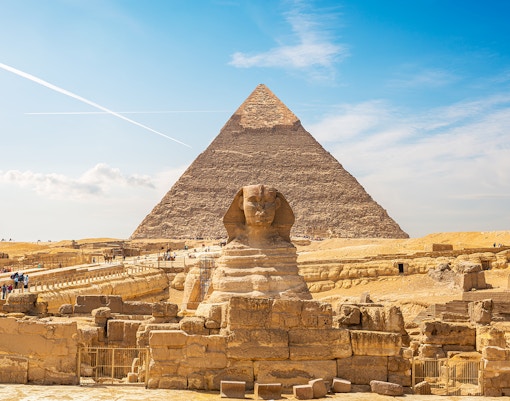
Gorgeous scenery
Enjoy sweeping views of the Sphinx with the pyramids as a backdrop and capture unforgettable shots in the best light, with early mornings being the least crowded.
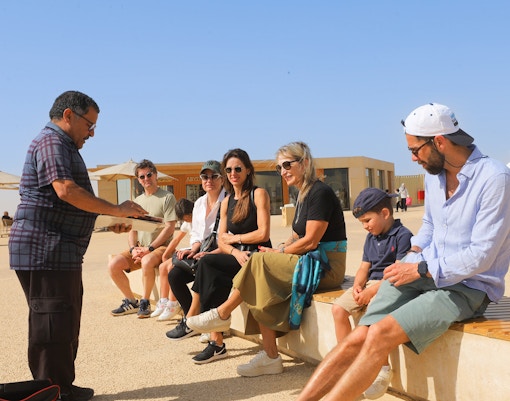
Visitor facilities
Make use of rest areas, information signs, and on-site guides to enhance your visit.
About the Great Sphinx
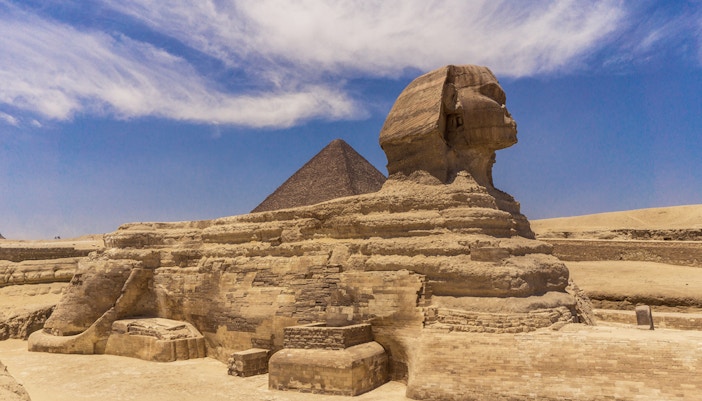
History & construction
Carved around 2500 BC during Pharaoh Khafre’s reign from a single limestone outcrop, the Great Sphinx is the world’s oldest monumental sculpture. Blocks cut from its body were used to build the nearby Sphinx Temple.
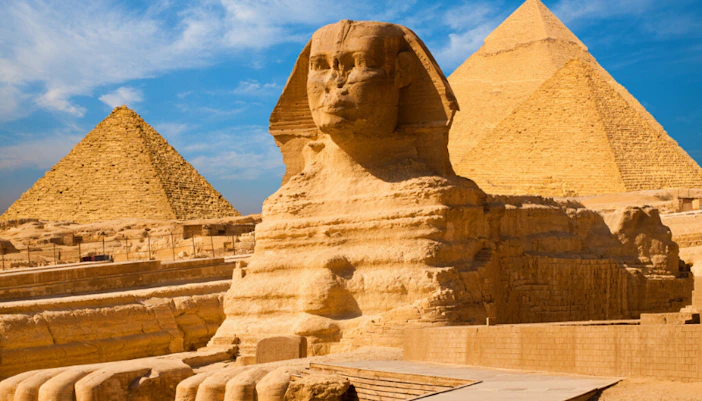
Physical description
Measuring 73 m long and 20 m high, it combines a lion’s body with a human head. Once brightly painted red, yellow, and blue, it also wore a ceremonial beard.
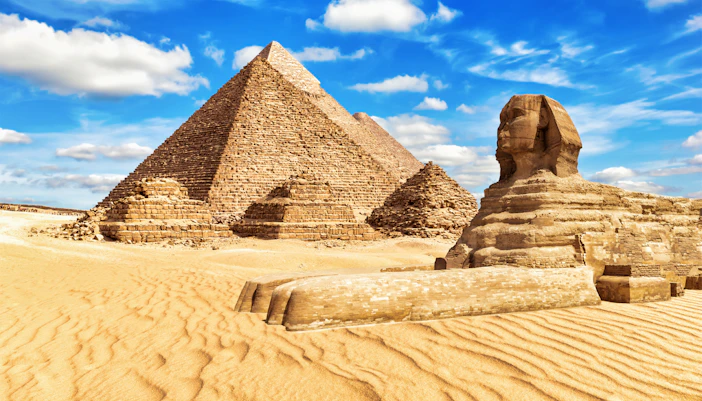
Purpose & symbolism
Facing due east toward the rising sun, the Sphinx embodied royal power, solar worship, and divine protection, watching over Khafre’s pyramid complex.
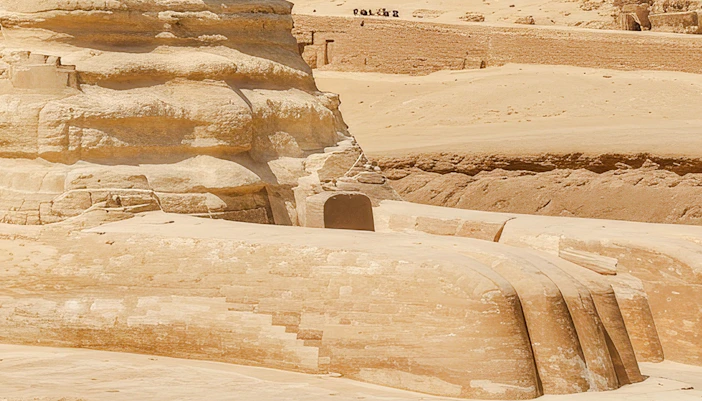
Dream Stele & rediscovery
The granite Dream Stele shows Pharaoh Thutmose IV’s vision and his excavation of the buried statue, adding to the mystery surrounding its origin.

Legacy & significance
The Sphinx remains the largest monolithic statue ever built, a focus of ongoing research, restorations, and worldwide fascination.
Why visit the Great Sphinx
1/5
Iconic monument
One of the world’s largest monolithic statues, carved directly from limestone, is an iconic symbol of ancient Egypt.
Protective role
Faces the rising sun, embodying royal power, divine protection, and solar worship, making it a must-see landmark.
Prime location
Situated on the Giza Plateau, it’s easy to combine your visit with the pyramids and other nearby attractions.
Up-close view of the Sphinx
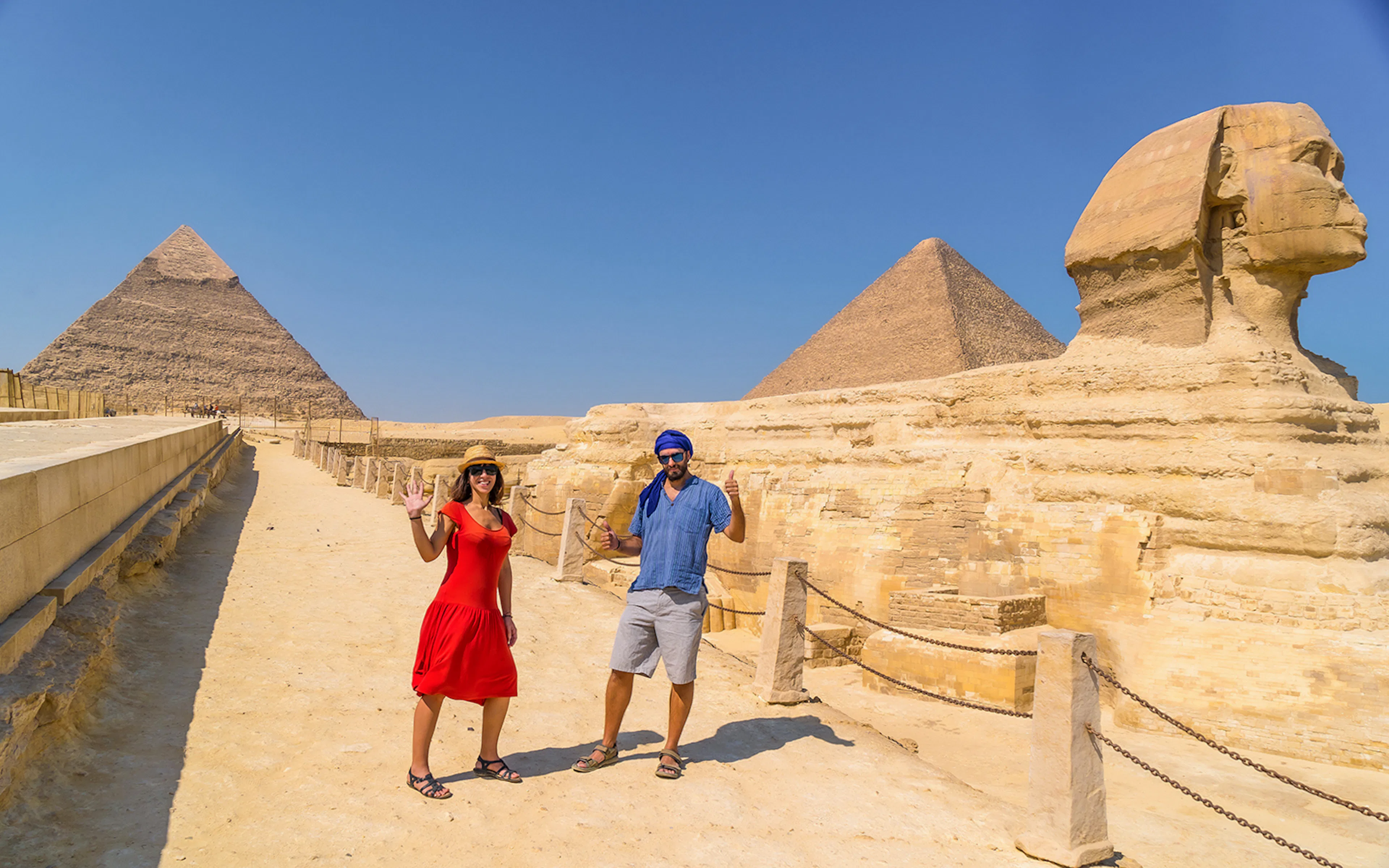
Stand just meters from the colossal face and lion body, and explore the Dream Stele between its paws.
Picture-perfect backdrop
Take in sweeping views of the Sphinx framed by the pyramids, perfect for memorable photos.
Things to do around the Great Sphinx of Giza
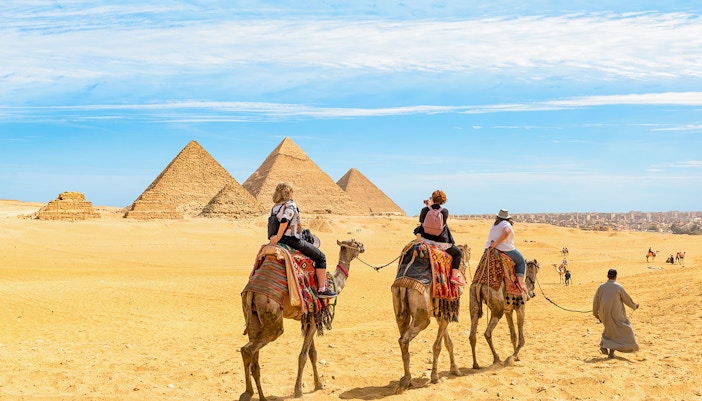
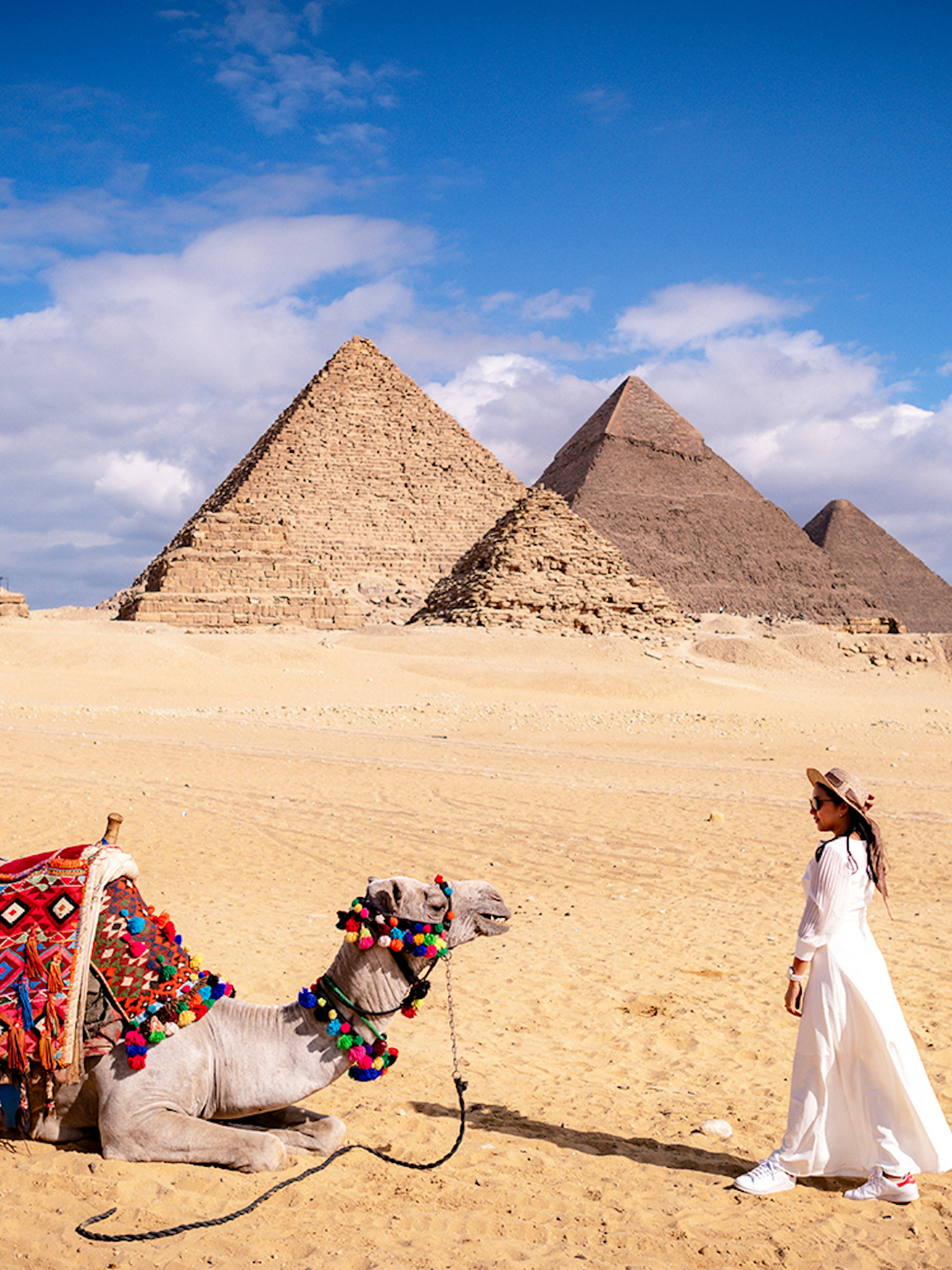
Camel rides
Explore the Giza Plateau on a camel, getting unique perspectives of the Sphinx and pyramids.
Camel Ride Around the Giza Complex

Quad biking adventures
Thrill-seekers can enjoy quad biking across the desert sands with the Sphinx as a backdrop.
Quad Biking Tour of the Pyramids
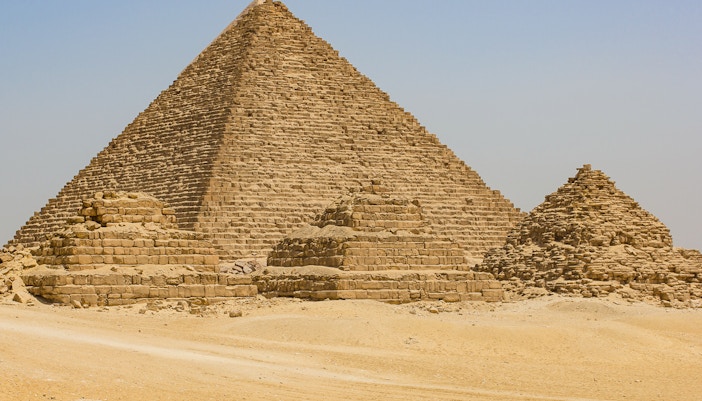
Visit nearby pyramids
Combine your Sphinx visit with tours of Khufu, Khafre, and Menkaure pyramids for a complete Giza experience.
Giza Complex Skip-the-Line Tickets + Access to Khufu Pyramid
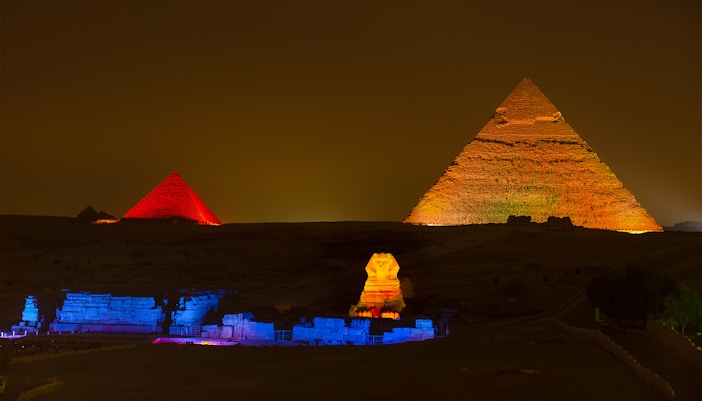
Sound & Light Show
Experience the evening Sound & Light Show at Giza, bringing ancient history to life after sunset.
Sound & Light Show at The Giza Pyramids
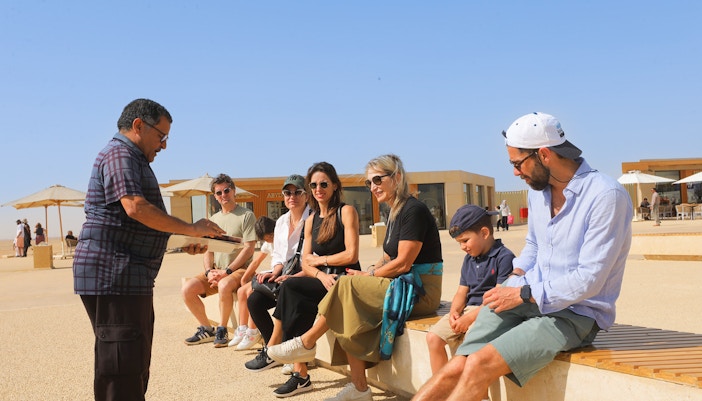
Guided tours
Take a full-day guided trip from Cairo to Giza and surrounding attractions for a hassle-free experience.
Half Day Giza Pyramids & Sphinx Tour
History of the Great Sphinx of Giza
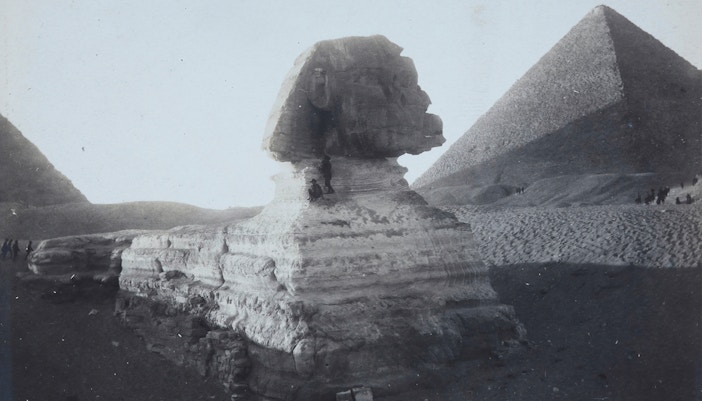
Origin
Carved around 2500 BC during the reign of Pharaoh Khafre of Egypt’s Old Kingdom. It is considered one of the world’s oldest monumental sculptures and the centerpiece of the Giza Plateau.
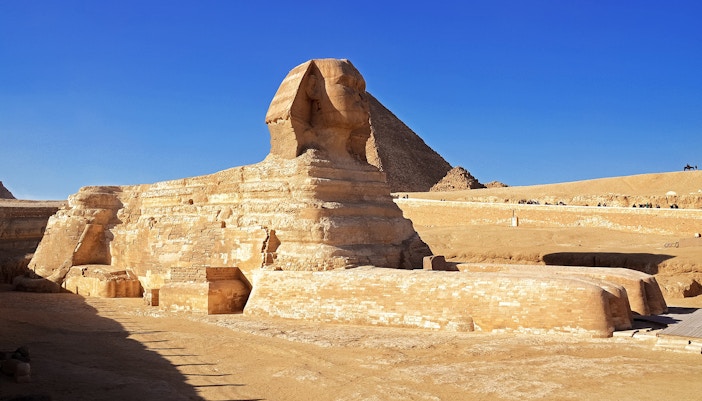
Construction
Sculpted from a single limestone outcrop, the Sphinx’s massive lion body and human head reflect advanced engineering. Stones quarried from its body were later used to build the nearby Sphinx Temple.
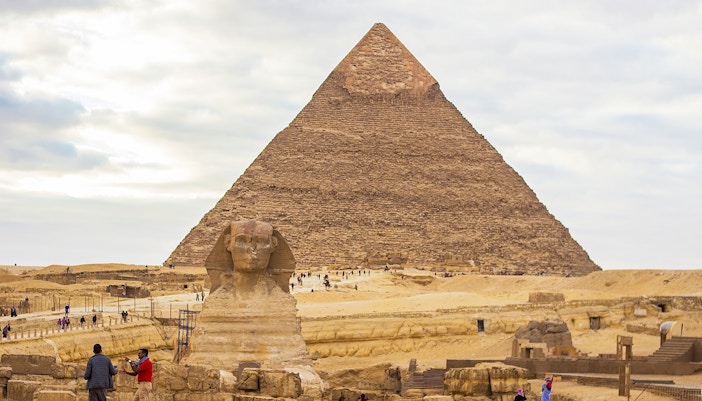
Belief & role
Thought to be a guardian of Khafre’s pyramid complex, representing strength, wisdom, and divine protection. Oriented east, it also reflects solar worship tied to the rising sun.
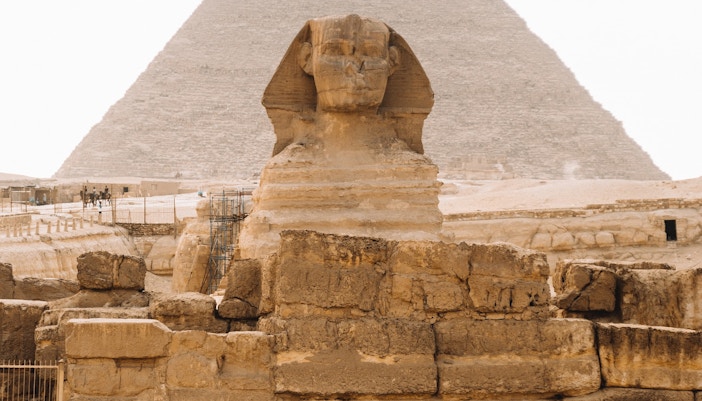
Later history
The Sphinx was gradually buried in sand and lost to memory until rediscovered by Pharaoh Thutmose IV, who erected the Dream Stele, recording a divine dream that inspired its excavation.
Preservation
Over millennia, it suffered erosion, weathering, and human damage. Ancient repairs and modern interventions have attempted to maintain its structural integrity.
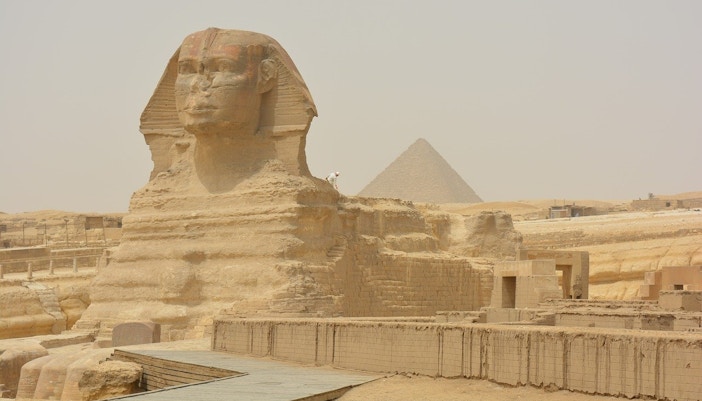
Restoration
Restoration projects span from ancient repairs under later pharaohs to modern conservation efforts, including reinforcing weakened areas, cleaning surfaces, and protecting them from environmental damage.
Interesting facts about the Great Sphinx of Giza
- Multiple ancient names – Possibly called “Hor-em-Akhet” (“Horus of the Horizon”) or “Khepri,” but no inscription records its original name.
- Hidden chambers theory – Centuries of legends about secret passages under the Sphinx; minor cavities exist but no “Hall of Records” has been found.
- Buried in sand for centuries – By Roman times the statue was already neck-deep in sand and remained so until 20th-century excavations.
- Earliest restoration blocks – The oldest visible repairs date back to the New Kingdom over 3,000 years ago.
- Greek “Sphinx” name – The word “Sphinx” was applied by the Greeks more than 2,000 years after its creation.
- Dimensions vs. modern structures – Its body length rivals a Boeing 747, giving visitors a sense of its scale.
How to visit the Great Sphinx

Opening hours: Daily, 8am to 5pm (Last entry: 4pm).
- Allow about 30–60 minutes to view the Sphinx and Dream Stele
- Give yourself extra time if you’re combining it with the pyramids or nearby temples.
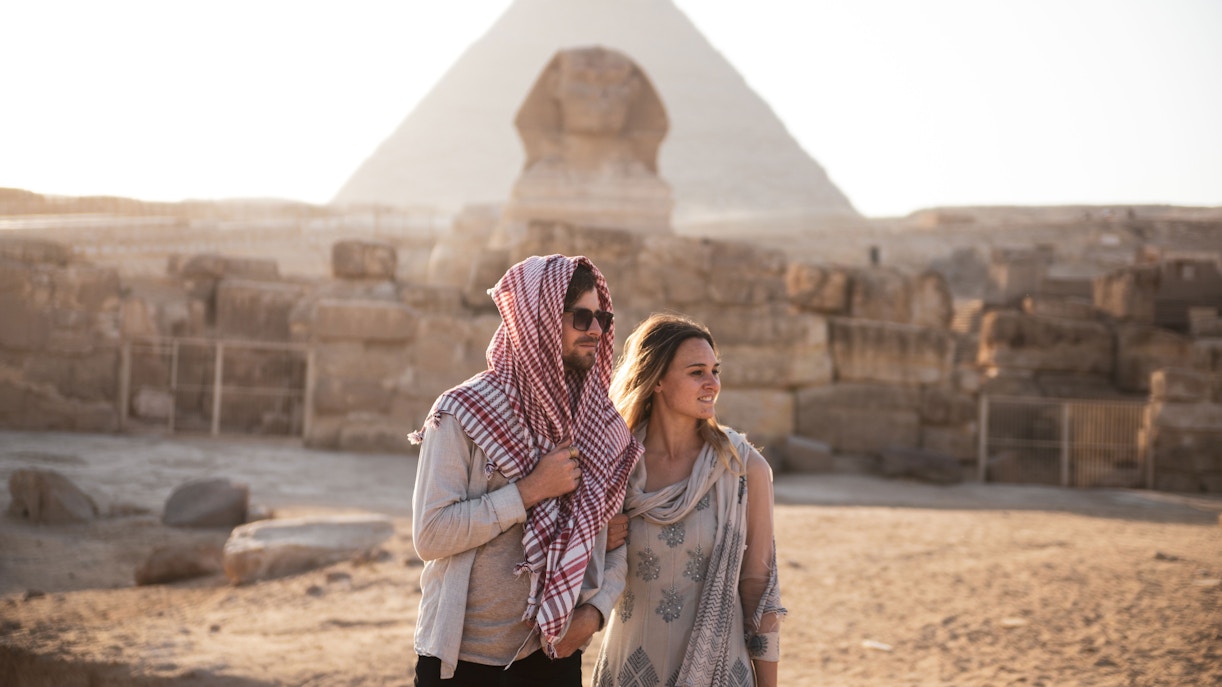
- Time of day: Arrive as close to 8am as possible to enjoy cooler temperatures, softer light for photos, and fewer crowds.
- Day of the week: Weekdays (Sunday–Thursday) are generally quieter than weekends and public holidays.
- Season: November to February offers the most comfortable weather with milder temperatures and clearer skies.
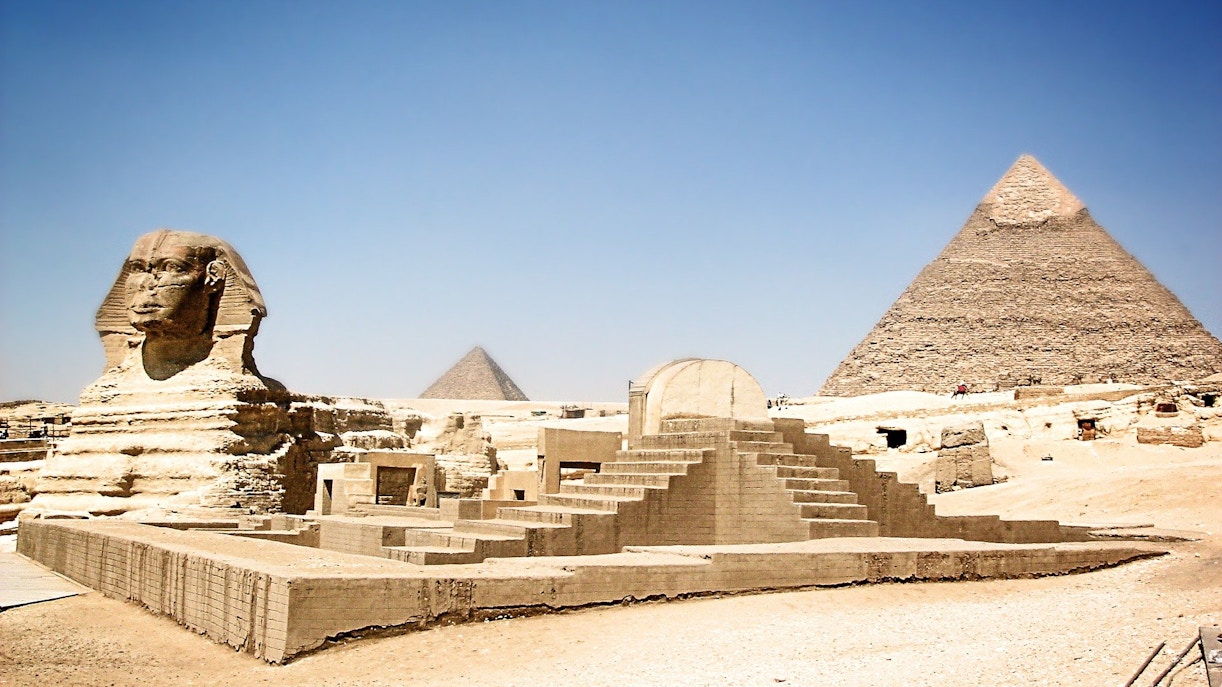
- The Great Sphinx sits on the eastern edge of the Giza Plateau, directly in front of the Pyramid of Khafre, about 15 km (9 mi) from central Cairo.
- Entry is through the same main gate as the Pyramids of Giza; no separate entrance is required.

- Taxi / ride-hailing: 30–45 minutes from downtown Cairo depending on traffic.
- Guided tours: Most pyramid tours include the Sphinx; hotel pickup and drop-off make access easy.
- Metro & microbus: Metro to Giza station, then a microbus or taxi to the plateau entrance.
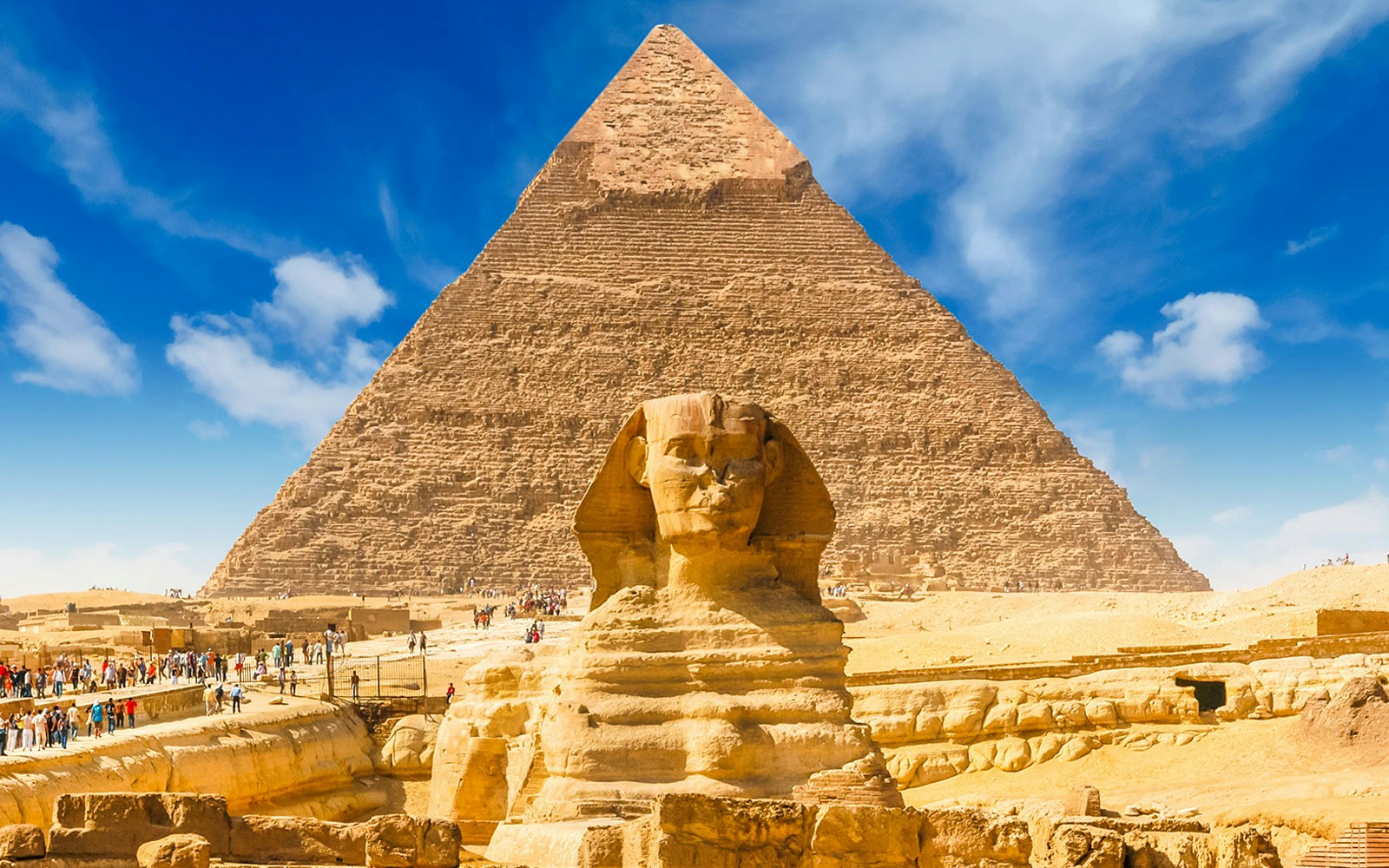
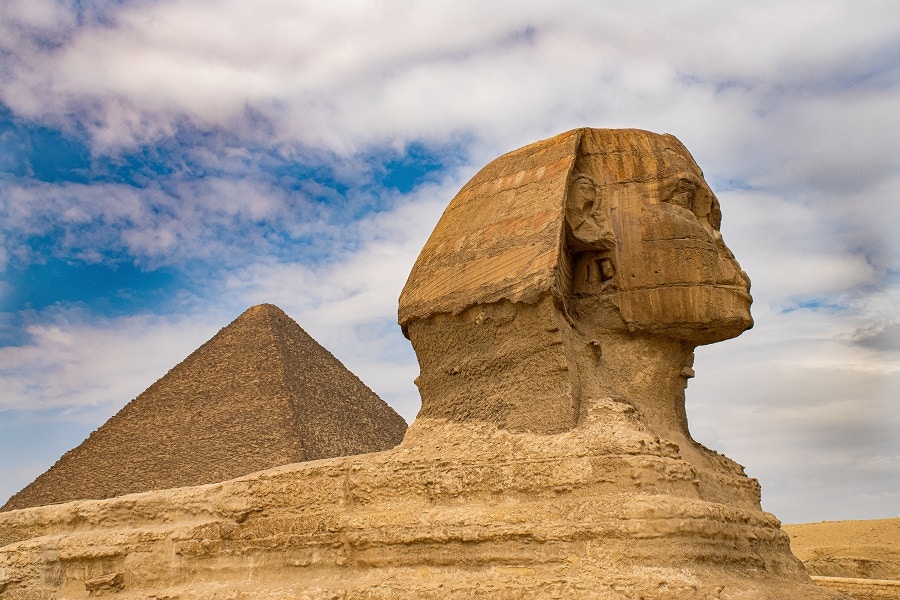
Explore the Sphinx through images
Attractions around the Great Sphinx
Pyramid of Khufu
Explore the Great Pyramid of Khufu, the largest of the Giza pyramids and one of the Seven Wonders of the Ancient World.
Skip-the-Line Tickets to Giza Complex + Access to Khufu Pyramid
Pyramid of Khafre
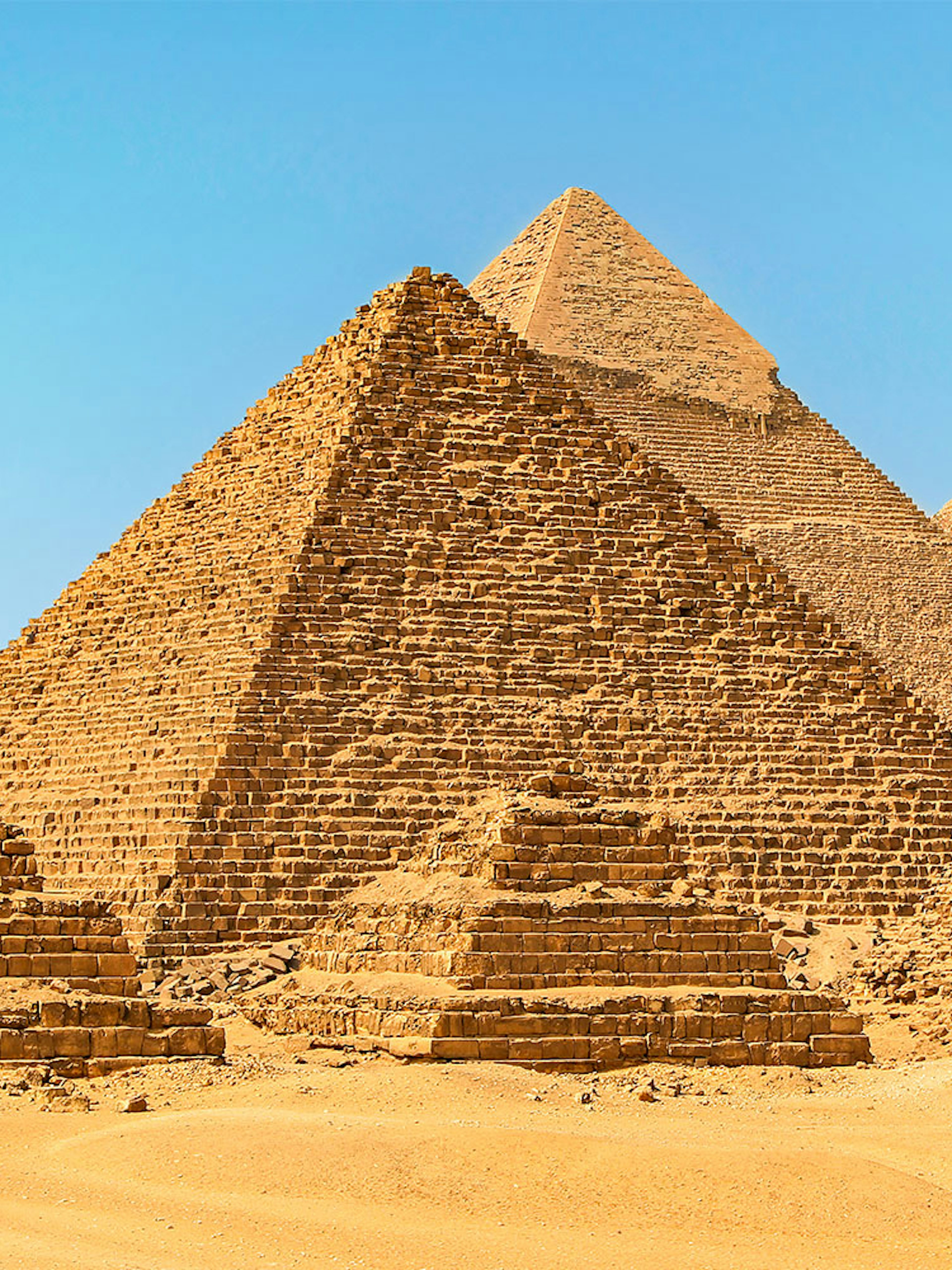
Visit the second-largest pyramid, often associated with the Great Sphinx, and admire its well-preserved structure.
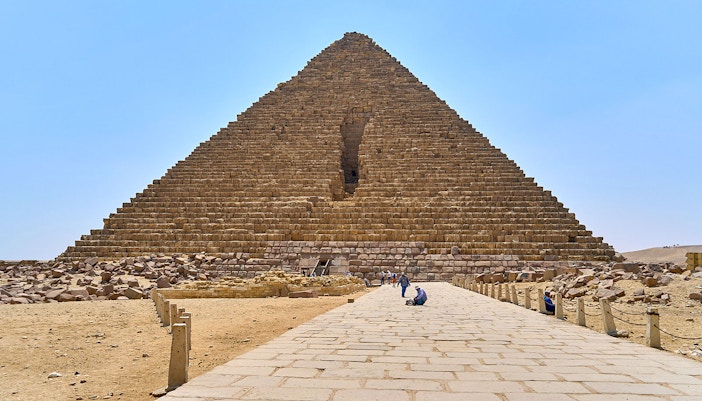
Pyramid of Menkaure
Discover the smallest of the three main pyramids, known for its elegant proportions and historical significance.

Egyptian Museum of Antiquities
Explore thousands of ancient Egyptian artifacts, including statues, jewelry, papyrus scrolls, and mummies, showcasing Egypt’s rich history and culture.
The Egyptian Museum of Antiquities in Cairo Skip-the-Line Tickets
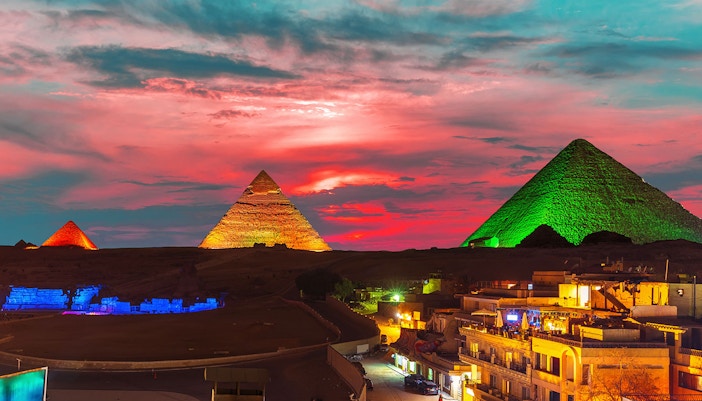
Sound & Light show
Experience the evening Sound & Light Show, where the pyramids and Sphinx are illuminated while narrating Egypt’s history.
Sound & Light show at The Giza Pyramids
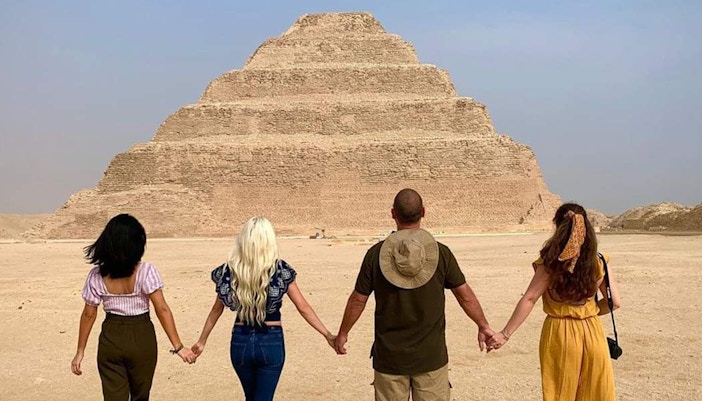
Additional attractions
Visit nearby Saqqara, Memphis, or local bazaars for a richer Egyptian cultural experience.
Saqqara, Memphis & Dahshur: Skip-the-Line Tickets
Other ways to explore Giza

Nile Dinner Cruise
Enjoy a luxurious evening cruise along the Nile, complete with dinner, live entertainment, and city views.
Sunset Nile Dinner Cruise
Private tours
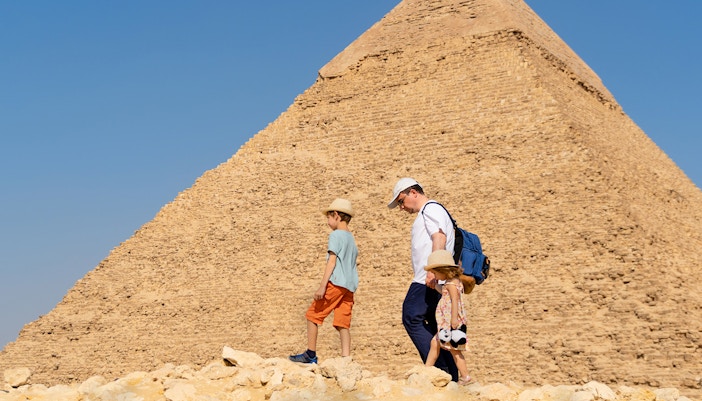
Opt for private or customized tours tailored to your schedule and interests.
Full-Day Tour of Giza, Sphinx, Saqqara & Memphis

Felucca ride
Sail on a traditional wooden felucca along the Nile for a relaxed, authentic way to view Cairo’s skyline and riverside landmarks.
Half-Day Giza Pyramids & Sphinx Guided Tour with Nile Felucca Ride
Frequently asked questions about the Great Sphinx of Giza
Yes, online ticket booking is recommended to avoid long queues and secure entry, especially for peak times.
The site is generally open from sunrise to sunset. Check your tour provider for exact timings.
Visitors can walk around the enclosure and get close views, but direct entry inside the Sphinx is restricted.
Yes, licensed guides are available on-site or through tours, offering historical context and storytelling.
Comfortable shoes and sun protection are recommended. Photography is allowed, but drones require special permission.
Some areas are accessible, but the plateau has uneven terrain. Check with your tour provider for specific accessibility options.
Absolutely! Many tours include the pyramids, the Egyptian Museum, and Sound & Light shows. Combo packages are available.
Early morning or late afternoon offers soft lighting and fewer crowds for optimal photography.
More reads
Plan your visit to the Pyramids of Giza
Plan your visit to the Pyramids of Giza.jpg?auto=compress%2Cformat&w=702.4499999999999&h=401.4&q=90&ar=7%3A4&crop=faces&fit=crop)
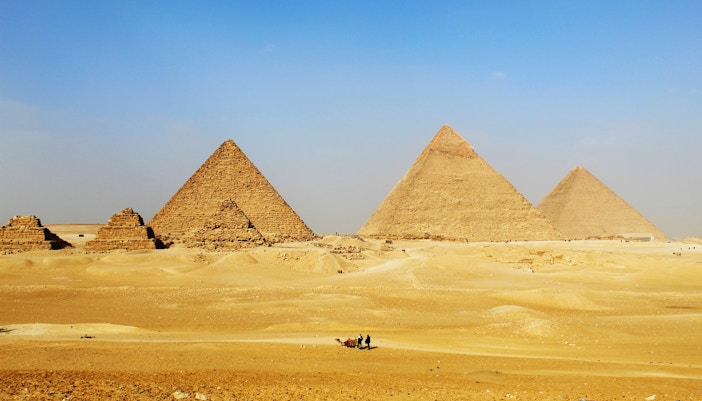
Getting to the Pyramids of Giza
Getting to the Pyramids of Giza