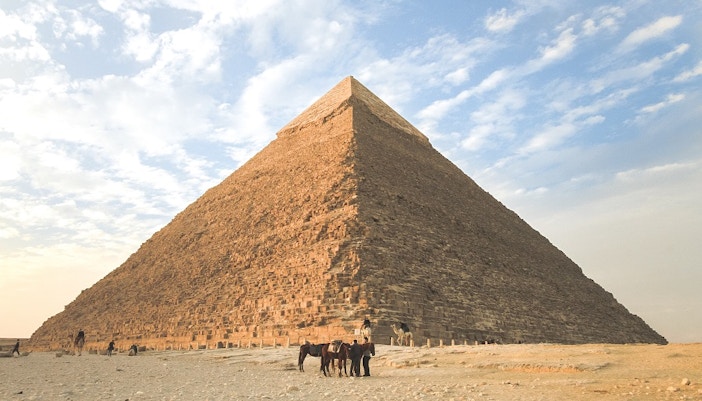
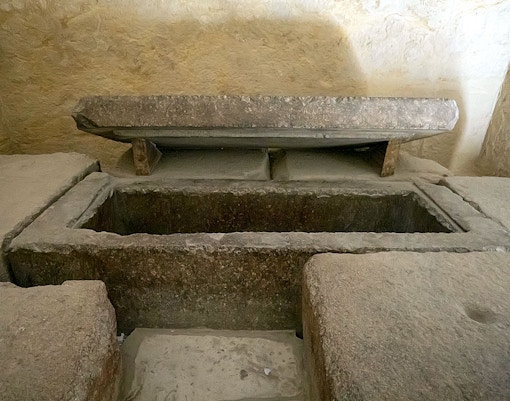
At the heart of the Great Pyramid lies the King’s Chamber, constructed from massive red granite blocks transported over 500 miles from Aswan. Here stands Khufu’s empty sarcophagus—its missing lid fueling debates about whether it was looted or symbolic. Visitors often remark on the chamber’s acoustics; even a whisper can reverberate like a chant, creating an otherworldly atmosphere that adds to its aura of mystery.
What is inside the Pyramids of Giza?
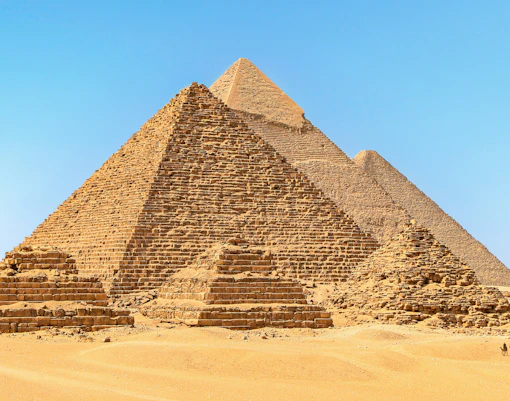
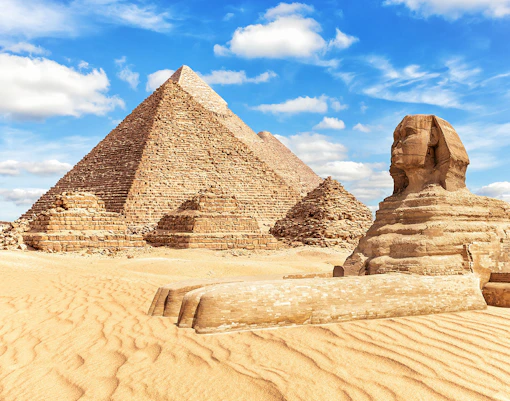
Stepping inside the Pyramids of Giza is like entering a time capsule from 4,500 years ago. Beyond their monumental exteriors, these stone giants hold a maze of passageways, burial chambers, and architectural marvels designed to honor Pharaoh Khufu and safeguard his journey to the afterlife. Every corner tells a story—of precision engineering, cosmic beliefs, and mysteries still unsolved. Before you plan a visit, read on to find out more about what is inside the Pyramids of Giza.
What’s inside the Pyramids of Giza?
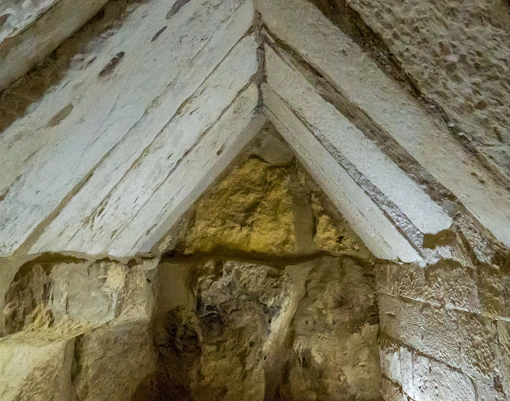
The Queen’s Chamber
Smaller and lined with limestone, the Queen’s Chamber has long puzzled Egyptologists. Some suggest it housed Khufu’s spirit double, while others think it was never meant for a burial at all. A distinctive niche carved into one wall hints at a ritualistic or symbolic function. Modern scans even suggest hidden passageways might still exist behind its sealed blocks.
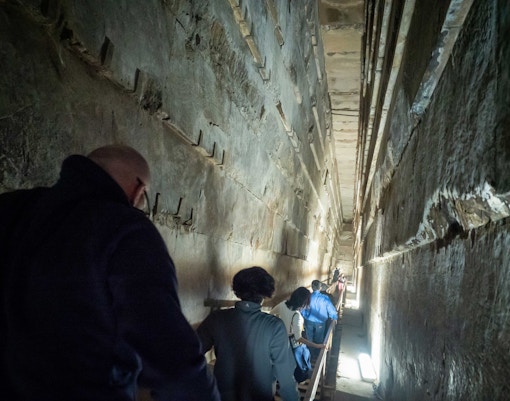
The Grand Gallery
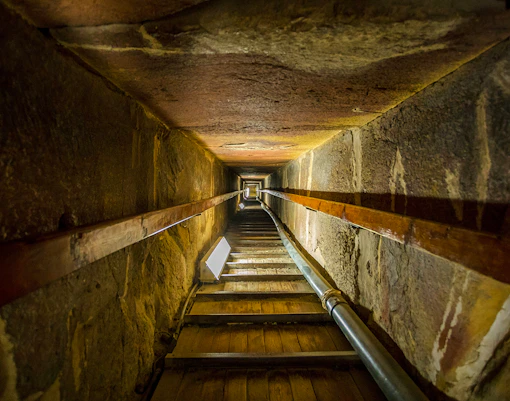
The Grand Gallery is a breathtaking corridor that rises steeply toward the King’s Chamber. Measuring 153 feet long and nearly 28 feet high, it’s supported by corbelled stonework that still stuns engineers today. The walls contain mysterious slots, possibly once used to hold beams or ceremonial objects. Walking through this soaring passage is a highlight for every visitor—it feels like stepping into the architectural mind of ancient Egypt.
The Subterranean Chamber
Carved directly into the bedrock beneath the pyramid, the Subterranean Chamber is rough, unfinished, and eerie. Its purpose remains unknown—was it an abandoned burial plan or a symbolic connection to the underworld? Though not always open to the public due to restoration, its very existence fuels speculation about Khufu’s architectural ambitions.
Air shafts and secret passages
From both the King’s and Queen’s Chambers, small shafts run diagonally toward the pyramid’s exterior. Some align with Orion and Sirius, reflecting ancient Egyptian star worship. Robotic explorers have found stone blocks and iron fittings deep inside these shafts, adding yet another layer of mystery to what lies beyond.
Hidden chambers
In 2017, advanced scanning techniques revealed a massive hidden void above the Grand Gallery. Though inaccessible to visitors, guides often share this discovery during tours. It’s a reminder that even after centuries of study, the Great Pyramid still guards secrets within its limestone core.
Solar boat pits
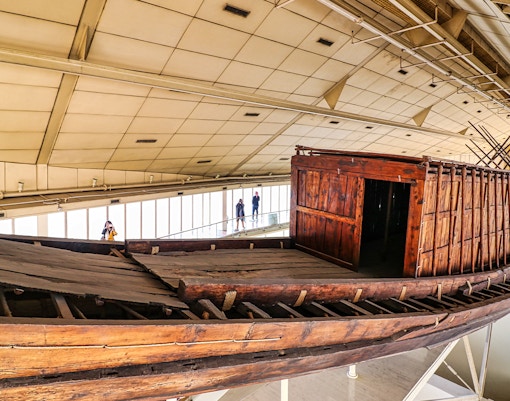
Around Khufu’s pyramid are deep pits once holding giant wooden boats, believed to carry the pharaoh into the afterlife. The most famous, the Khufu Solar Boat, was discovered intact and has been painstakingly restored. Though no longer beside the pyramid, it’s now on display at the Grand Egyptian Museum nearby—a must for history lovers.
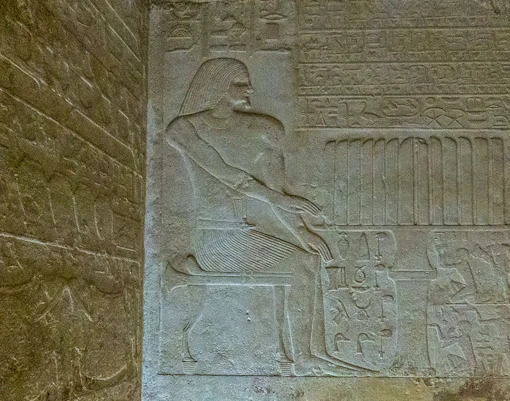
Mason marks and worker graffiti
Unlike richly decorated tombs in the Valley of the Kings, the pyramid’s interiors are stark and undecorated. But above the King’s Chamber, in the relieving chambers, archaeologists found red-ochre graffiti—inscriptions left by worker gangs. These humble marks are rare and priceless proof that the pyramid was built not by slaves but by organized Egyptian laborers.
How to get inside the Pyramids of Giza?
Pyramids of Giza tickets start at EGP 200 per person for adults and EGP 100 for children and students. While you can buy tickets to the palace at the entrance, it is recommended that you pre-book your tickets online.
If you have not bought a comprehensive ticket, or it is not included in your tour package, please keep in mind that entering the pyramids themselves costs extra.
- The Great Pyramid of Khufu: EGP 400
- The Pyramid of Khafre: EGP 100
- The Pyramid of Menkaure: EGP 100
- Solar Boat Museum: EGP 100
Note: There are two ticket offices, one near each entrance to the Pyramid of Giza - the Sphinx Entrance, and the Great Pyramid Entrance.
Tips for going inside the Pyramids of Giza
- Arrive early in the morning for cooler temperatures and lighter crowds.
- Wear sturdy shoes—expect steep climbs and slippery limestone floors.
- Be ready for narrow, low-ceilinged tunnels that require crouching.
- Large bags aren’t permitted; travel light to move comfortably inside.
- Photography rules change frequently—sometimes allowed for a fee, sometimes restricted.
- Bring water, but drink it outside; bottles aren’t allowed in the chambers.
- Tickets for the interior sell out quickly—reserve yours online before arriving.
- Elderly visitors or those with mobility issues may find the steep passages challenging.
Frequently asked questions about what’s inside the Pyramids of Giza
Inside Khufu’s Great Pyramid, you’ll find a series of chambers, steep passageways, shafts, and even unfinished chambers carved in bedrock. There are no treasures or hieroglyphic art left—the interiors are stark, letting the architecture itself take center stage.
Yes. Visitors can enter the pyramids with a separate ticket for each interior, along with a Giza complex site pass. Entry numbers are limited daily, so booking in advance is strongly advised.
The King’s Chamber, the soaring Grand Gallery, and the subterranean chamber are the main highlights. If open, Menkaure’s pyramid also offers smaller burial niches worth exploring.
Yes, a separate interior ticket is required in addition to your site entry. You can purchase them here.
Photography rules change often. At times, it’s allowed for an extra fee, and at other times it’s restricted to protect the site. Always check signage at the entrance.
No strict dress code applies, but visitors are advised to wear light, breathable clothing and sturdy shoes. Expect crouching through low tunnels and climbing steep passages.
.jpg?auto=compress%2Cformat&w=702.4499999999999&h=401.4&q=90&ar=7%3A4&crop=faces&fit=crop)